
How to Build a Creator Roster Before Q4 Gets Competitive (and Expensive)
Every year the same thing happens.
Brands wake up in October, realize Q4 is four weeks away, and start scrambling to lock in creators for Black Friday and holiday campaigns. They reach out to the same creators everyone else is reaching out to at the same time. Rates are up. Availability is gone. The creators who are still available are available for a reason. And the brands that waited are now paying a premium for worse partnerships than they would have gotten six months ago.
This is not a secret. Everyone in the influencer space knows Q4 is the most expensive, most competitive, most chaotic time of year to try to build something from scratch. And yet most brands do exactly that, every single year.
The ones who don't are the ones worth paying attention to.
Why Q4 Creator Costs Spike the Way They Do

Creator rates in Q4 aren't arbitrary. They follow a straightforward supply and demand dynamic that gets more extreme every year as more brands invest in influencer marketing.
The supply of high quality, highly aligned creators in any given niche is genuinely limited. There are only so many people with the right audience, the right engagement, and the right fit for any specific brand. When every brand in a category is reaching out to the same shortlist of creators in September and October, those creators have options. They take the highest rate, the best fit, or the brand they already have a relationship with.
If you don't have a relationship yet, you're starting from behind.
There's also a content quality issue that doesn't get talked about enough. Creators who book too many partnerships in Q4 produce worse content. Not because they stop caring but because they're stretched thin, turnaround times are compressed, and the authentic enthusiasm that makes creator content work gets harder to sustain when you're producing five sponsored posts a week for five different brands. The brands that locked in their partnerships early, gave creators enough lead time, and built enough of a relationship to allow real creative collaboration get meaningfully better output.
The brands that waited get the rushed version.
What Building Early Actually Looks Like
Building your creator roster before Q4 gets competitive doesn't mean running campaigns in July. It means doing the relationship and vetting work in the spring and summer so that by the time Q4 planning starts, you already know who you want to work with and they already know who you are.
That looks like a few specific things.
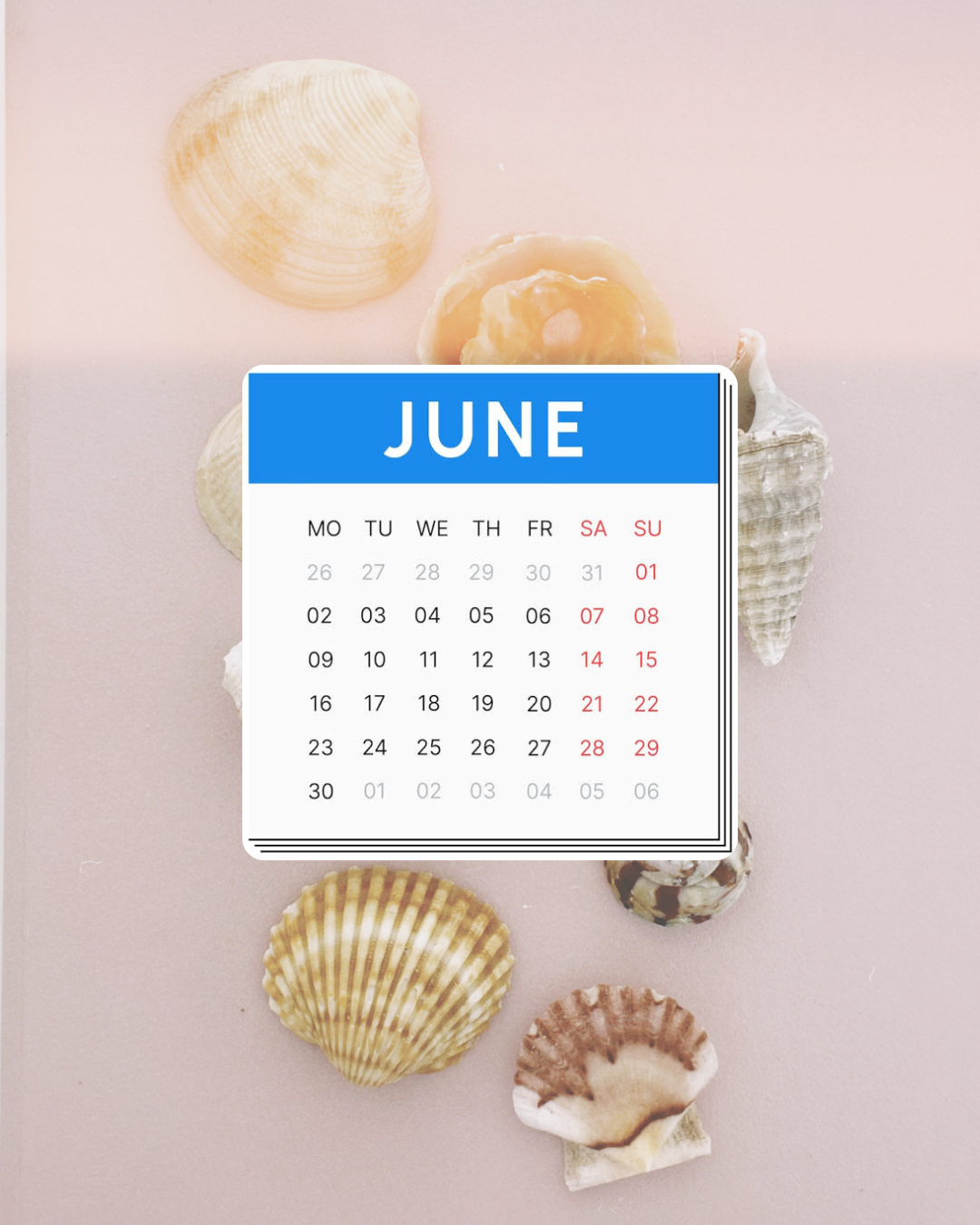
Identify your tier one creators by June. These are the creators who check every box: right audience, right engagement quality, right community fit, genuine alignment with what your brand stands for. You want a shortlist of ten to fifteen names that you'd be confident activating in Q4. Getting to that shortlist takes time because the vetting process for great creator partnerships is not fast. Comment quality analysis, audience demographic checks, past partnership performance, content consistency review. Do this work when you're not under deadline pressure.
Make contact before you need anything. This is the move most brands skip and it's the one that changes everything. Reach out to your tier one creators in the summer with no ask attached. Introduce the brand. Share why you think there's alignment. Send product if it makes sense. Start a conversation.
Creators who have heard of your brand, used your product, and had a positive early interaction before you ever asked them for anything are in a completely different place than creators receiving a cold partnership inquiry in October. You're not a stranger. You're a brand they already have some relationship with. That changes the conversation on rate, on creative latitude, on how much genuine enthusiasm they bring to the content.
Do a small activation before Q4. If the budget allows, run a small campaign with your shortlisted creators in the summer or early fall. A modest activation, a product send with an optional post, an early access offer. The goal is not the campaign results. The goal is the relationship. You learn how the creator communicates, how they handle creative briefs, what their audience actually responds to. They learn how your brand operates, how collaborative you are, whether working with you is worth their time.
By the time Q4 rolls around you are not starting a new relationship under time pressure. You are deepening an existing one. The difference in output quality is significant.
Lock in commitments early with flexible structures. The best creator agreements for Q4 are ones that get signed in August or September with enough creative flexibility built in that the creator can do their best work when the time comes. Locking in the relationship early doesn't mean locking in every creative detail. It means securing the partnership and the rate before the market gets competitive, then giving the creator enough runway to develop content that actually resonates with their community.
The Compounding Advantage of an Ongoing Roster
Here's the thing about building creator relationships before Q4 that most brands don't fully appreciate: the advantage compounds.
The first year you do this, you save money and get better content. That's meaningful on its own. But the second year, you're activating creators who already know your brand, already have a sense of what their audience responds to from you, and already have a reason to prioritize your partnership over a cold inquiry from a competitor. The relationship has history. The content gets better because the creator understands the brand at a deeper level. And your cost per result keeps improving while brands that wait every year keep paying the Q4 premium.
An ongoing creator roster is one of the most undervalued assets in marketing. It's not just a list of people you've worked with. It's a network of trusted voices who know your brand, believe in what you're building, and will show up for you when it matters most because you showed up for them first.
That network is something your competitors cannot buy in October. They can only build it the same way you did: by starting early, investing in the relationship, and thinking about creator partnerships as a long term asset rather than a transactional Q4 line item.
What to Do Right Now If You're Planning for Q4 2027
If Q4 2027 is on your radar, the window to build well is open right now and it won't stay open.
Start with the audience question. Who exactly are you trying to reach in Q4? Get specific enough that you can actually evaluate whether a creator's community is the right fit. Not a demographic range. A real human being with real habits and real reasons they would or wouldn't trust a recommendation.
Build your longlist. Cast wide at first. You're looking for creators who live in the world your audience lives in. Engagement quality, community fit, content consistency. Get to a longlist of twenty to thirty names you want to learn more about.
Vet down to a shortlist. Do the actual work on your top candidates. Look at their last three to six months of content. Read the comments. Check how they engage back. Look at any past brand partnerships and evaluate whether the content felt genuine or forced.
Make contact. Before you need anything. Introduce the brand, share why there's alignment, start the conversation.
By the time Q4 planning is in full swing, you'll be deepening relationships while everyone else is starting them. That's the advantage. And it's entirely available to any brand willing to think six months ahead.
We Build Creator Rosters That Are Ready When It Matters
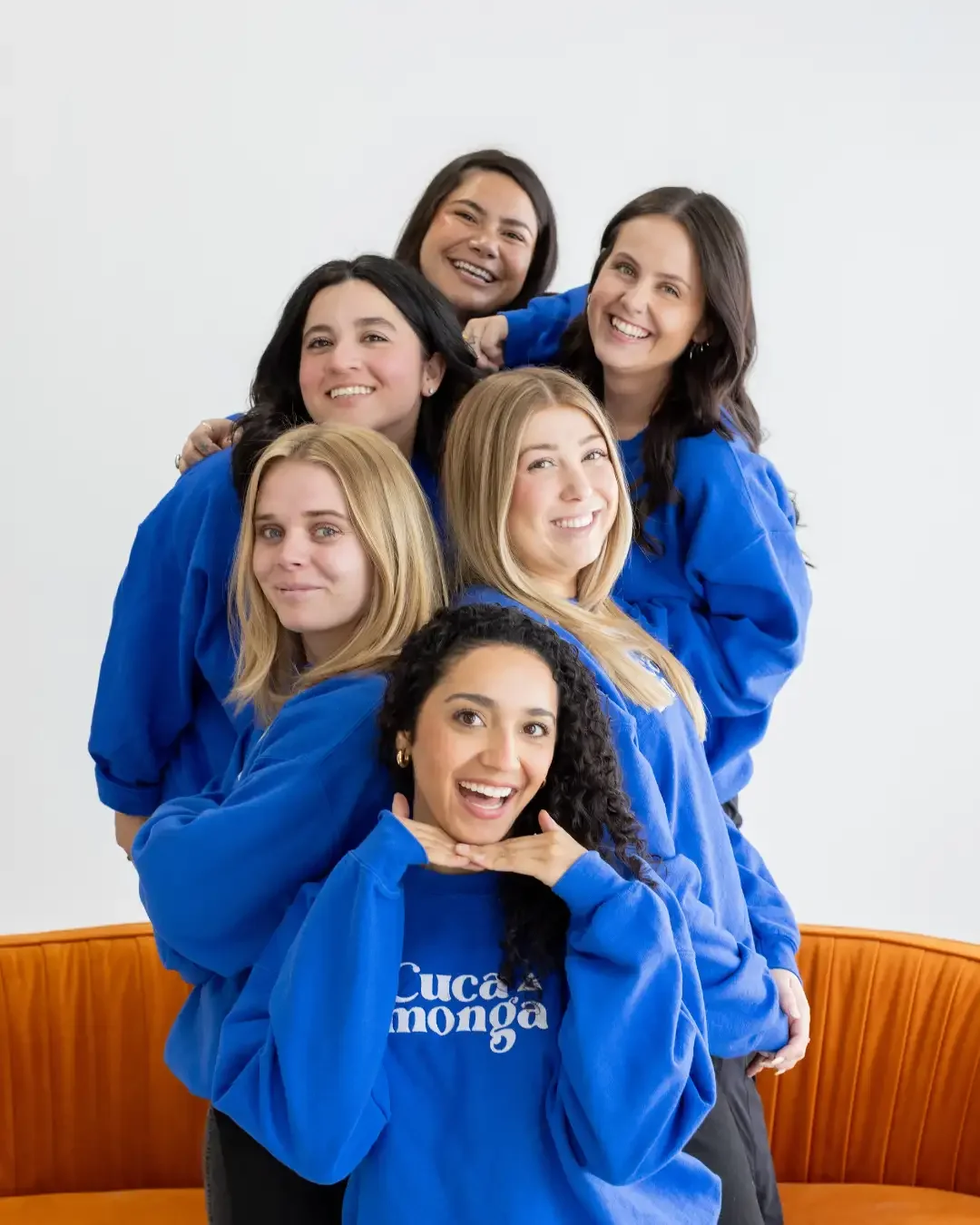
At Cucamonga Media, we help brands build influencer programs that don't start from scratch every Q4. We do the vetting work, build the relationships, and develop the kind of creator partnerships that produce better content and better results because they're built on trust rather than urgency.
If Q4 2027 is on your planning horizon, now is exactly the right time to start. [Let's talk about what that looks like for your brand.
FAQ
When should we start building our creator roster for Q4? Ideally by late spring or early summer of the same year. This gives you enough time to vet creators properly, make contact before you have an immediate ask, run a small early activation if budget allows, and lock in partnerships before the Q4 rate spike hits. For Q4 2027, starting the vetting and outreach process in Q1 or Q2 2027 puts you in the strongest possible position.
How many creators should be on a Q4 roster? It depends on your campaign scope and budget, but a shortlist of eight to twelve vetted, relationship-ready creators gives most brands enough range to activate the right partners for specific campaign moments without being spread too thin. Quality and fit matter far more than volume.
Why do creator rates spike so much in Q4? Supply and demand. The pool of high quality, highly aligned creators in any niche is genuinely limited. When every brand in a category reaches out to the same shortlist at the same time, creators have options and they price accordingly. Brands that have existing relationships and locked in partnerships early sidestep most of this pressure.
What's the difference between a transactional creator partnership and an ongoing roster relationship? A transactional partnership is a one-off activation with no relationship history. An ongoing roster relationship is a network of creators who know your brand, understand your audience, and have a track record of producing content that resonates. Ongoing relationships produce better content, better rates over time, and more genuine advocacy because the creator actually knows and believes in what they're promoting.
Can small brands with limited budgets still build a creator roster early? Yes. Early relationship building doesn't require large campaign budgets. Product sends, brand introductions, and small early activations can establish meaningful relationships with creators before Q4 without significant spend. The investment is mostly time and intentionality, not budget