
Pinterest for Product Brands: The Underrated Traffic Channel Most Brands Are Ignoring
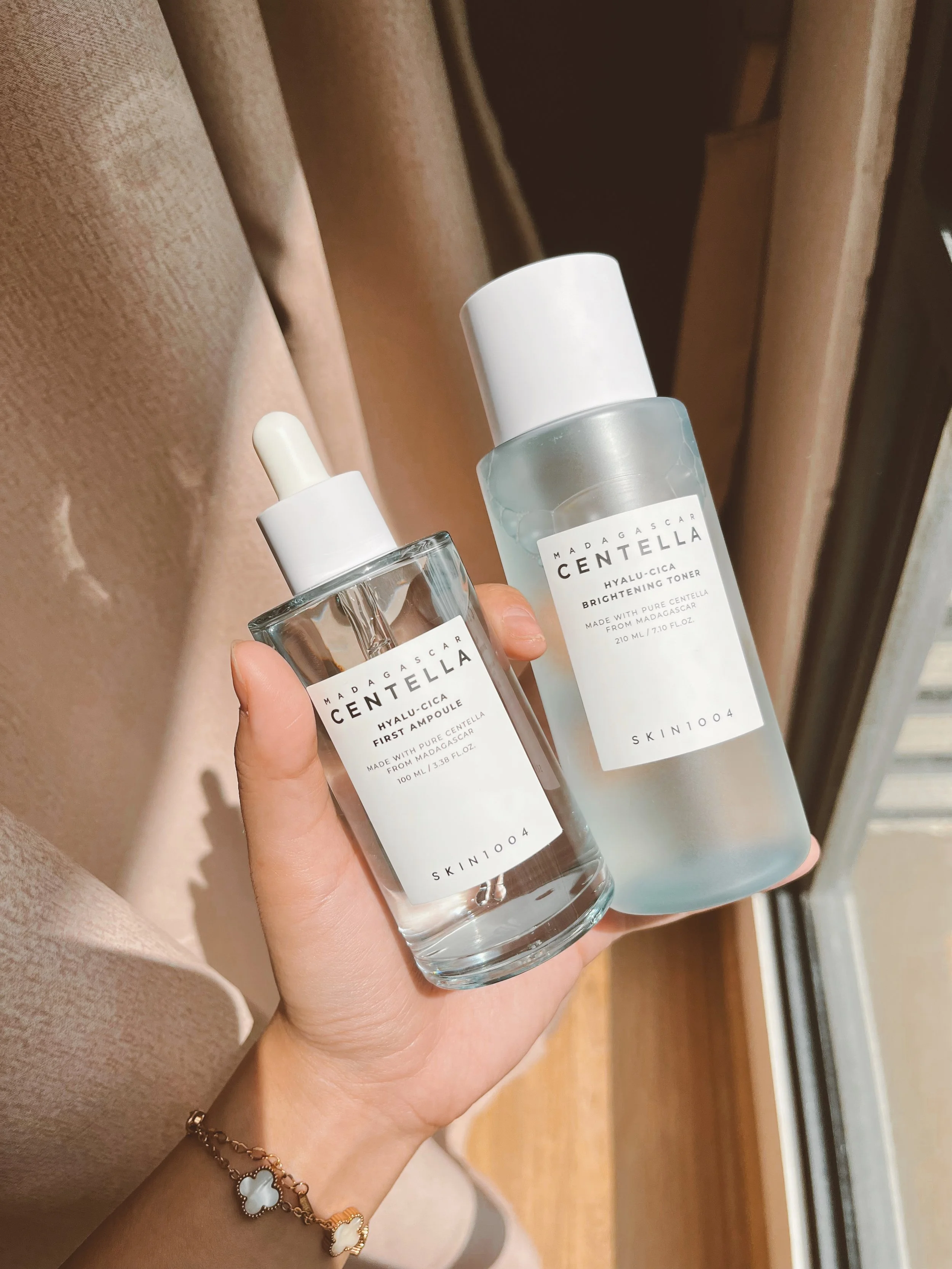
Most brands running active TikTok and Instagram programs treat Pinterest like a platform they’ll “get to eventually.”
Eventually is costing them traffic, discovery, and sales they don’t know they’re missing.
Pinterest is not a social media platform. It’s a search engine. Users arrive with intent, search for specific aesthetics and solutions, and save content they plan to act on. They aren’t scrolling to pass time. They’re planning a purchase, a project, a room, a wardrobe, or a life upgrade. That’s a fundamentally different mindset than any other platform a brand is active on, and it’s why Pinterest can be such a strong source of high intent traffic.
The brands winning on Pinterest aren’t the loudest ones on TikTok. They’re the ones who figured out how Pinterest actually works.
The short answer: Pinterest is a search engine, not a social platform. It has 640 million monthly active users, 96% of top searches are unbranded, and a single pin can drive traffic for years. Brands that publish consistently and optimize for keywords instead of engagement build a traffic engine that compounds quietly while everyone else chases the algorithm. The first 30 days are about foundation. The first 6 months are about compounding.
Here’s why Pinterest deserves a serious place in your marketing stack, and how to use it.
Why Is Pinterest Different From Every Other Platform?
The biggest difference is shelf life.
A TikTok post peaks within 24 to 48 hours. An Instagram feed post is mostly invisible after 48 hours. A Pinterest pin can drive traffic for months or years after it was published, because it lives in search results rather than a feed. A pin published today can surface in someone’s search results in 2027 because keyword relevance doesn’t expire.
The numbers that make the case:
Pinterest has 640 million monthly active users, a record high, up 11% year over year (Pinterest Q2 2026 Results)
96% of Pinterest’s top searches are unbranded, meaning people are searching for ideas and solutions, not specific companies. That’s a discovery opportunity that doesn’t exist at the same scale on most other platforms (Pinterest Business: Audience, based on Pinterest’s analysis of the top 1,000 searches, June 2023)
Pinterest reaches 40% of US households with an annual income over $150K (Pinterest Business: Audience, Comscore, January 2024)
85% of weekly US Pinners have made a purchase based on Pins from brands (Pinterest Business: Why Pinterest)
This is not a niche platform with a niche audience. It’s a massive, purchase intent search engine that most brands are ignoring.
Who Is Pinterest Built For?
Pinterest isn’t right for every brand in the same way, but the category of brands that benefit from it is wider than most people assume.
The Obvious Fits
Home decor, interior design, and furniture. Pinterest is where people plan rooms. “Cozy living room aesthetic,” “minimalist bedroom ideas,” “kitchen renovation inspiration”: these are the kinds of searches that come with buying intent attached. A furniture or home brand not on Pinterest is invisible to a large pool of ready to buy customers.
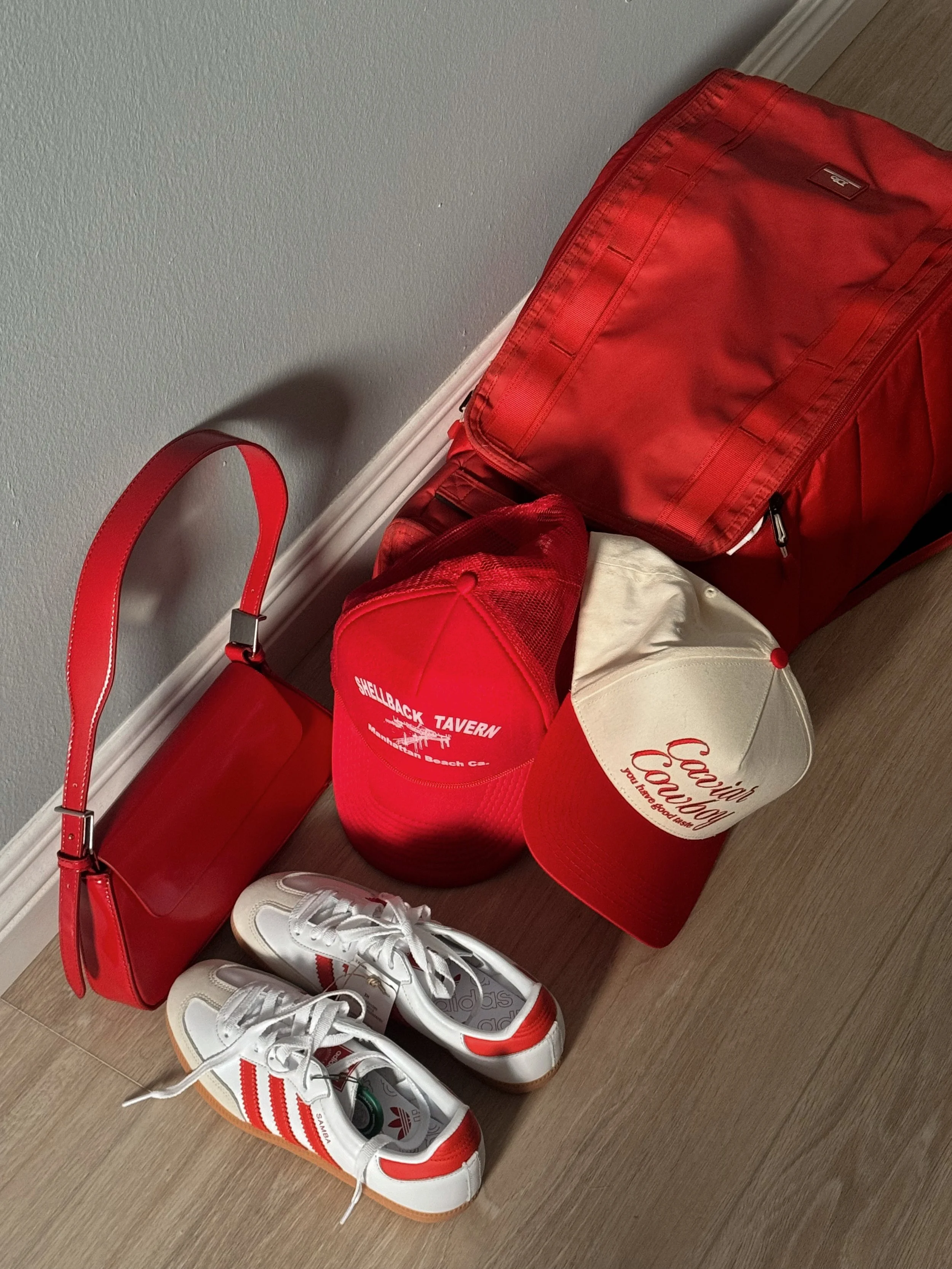
Fashion and apparel. Outfit ideas, seasonal styling, occasion dressing. Pinterest is where people build their mental wardrobe before they open a shopping app. Brands that show products styled in context, not just on white backdrops, tend to earn more engagement and click through than product only imagery.
Food and beverage. Recipes, entertaining ideas, seasonal menus. Pinterest is where people decide what to cook, drink, and serve. For food brands, ingredient brands, and kitchen product companies, it’s one of the highest intent traffic sources available.
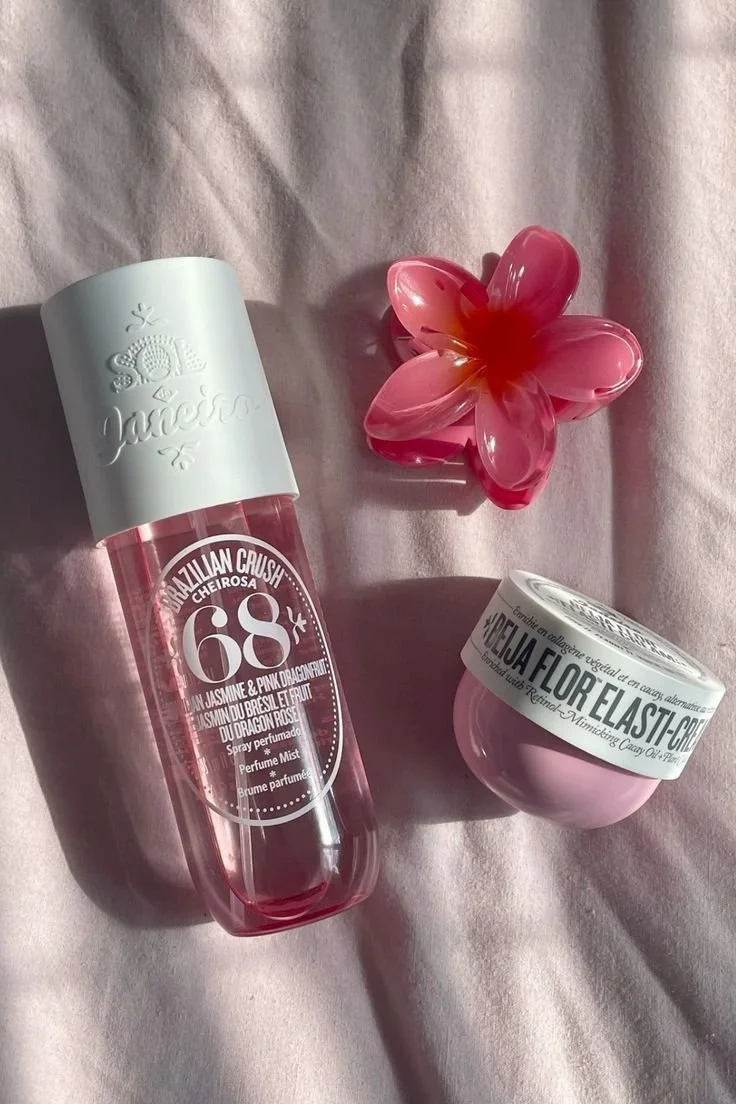
Beauty and wellness. Skincare routines, makeup tutorials, wellness rituals. Content with a process and a result performs well on Pinterest because it maps directly to how users search.
Wedding, events, and celebrations. Pinterest is still a primary planning platform for weddings, baby showers, holidays, and major life events. If your brand is adjacent to any of these moments, Pinterest is not optional.
The Less Obvious Fits
Coaching, consulting, and service businesses. This surprises people, but Pinterest’s search behavior means educational, process focused, and transformation focused content surfaces for service businesses just as well as product images. A business coach whose pins show frameworks, before and after client results, and process content can drive organic traffic to their website from people actively searching for solutions.
Digital products and resources. Templates, guides, courses, printables. They’re highly pinnable, they get strong click through, and they convert well because the audience searching for them is in active acquisition mode.
Brands targeting women and Gen Z. Pinterest’s global audience is 70% women and 30% men (Comscore, August 2023), and Gen Z makes up 50% of its global user base. In the US, Pinterest reaches 46% of people ages 18 to 24, 40% of ages 25 to 34, and 39% of ages 35 to 44. For brands whose customer fits this profile, Pinterest reach is especially valuable.
How Does Pinterest Search Work?
Understanding how Pinterest surfaces content changes how you create for it, and most brands are creating for the wrong thing.
Pinterest is not an engagement platform. Likes and comments don’t drive distribution the way they do on Instagram or TikTok. What drives distribution is keyword relevance, save rate, and click through rate. The algorithm asks: does this pin match what people are searching for, and when they see it, do they save it or click through to learn more?
The keyword layer is everything. Every pin has three places for keyword copy: the pin title, the pin description, and the board it’s saved to. All three should include the specific search terms your audience is using. Not brand language, not clever copy, but the actual words someone types into the Pinterest search bar.
“Our new autumn collection” is brand language. “Fall outfit ideas for women | cozy knit styling” is a Pinterest keyword. The pin that uses the latter surfaces for people looking for exactly that. The former surfaces for nobody.
Board structure matters for authority. Pinterest evaluates accounts in part based on board organization and keyword relevance. Boards with clear, searchable names (“Minimalist Home Office Ideas,” not “Inspo”) tell Pinterest what category your content belongs in, which affects how broadly your pins are distributed.
Fresh content gets priority. Pinterest rewards new pins, not repins of old content. Brands that pin consistently with new visuals see better distribution than brands that upload 50 pins once and never touch the account again. The cadence that works for most brands is 15 to 25 pins per week, with at least 5 to 10 of those being fresh content.
What Does High Performing Pinterest Content Look Like?
Vertical format wins. Pinterest’s feed is vertical, and pins sized at 2:3 (1000x1500px) generally outperform square or horizontal images. If you’re already creating content for TikTok and Instagram, the vertical format is already there. It just needs to be sized and optimized for Pinterest. If you need help building a steady supply of vertical content, our photo and video services are built for exactly that.
Text overlays add context and searchability. Pins with clear text overlays like “5 Ways to Style Wide Leg Trousers” or “The Only Skincare Routine You Need in Winter” tend to perform better than image only pins because they tell users what the content is before they click. They also reinforce the keyword relevance the algorithm is looking for.
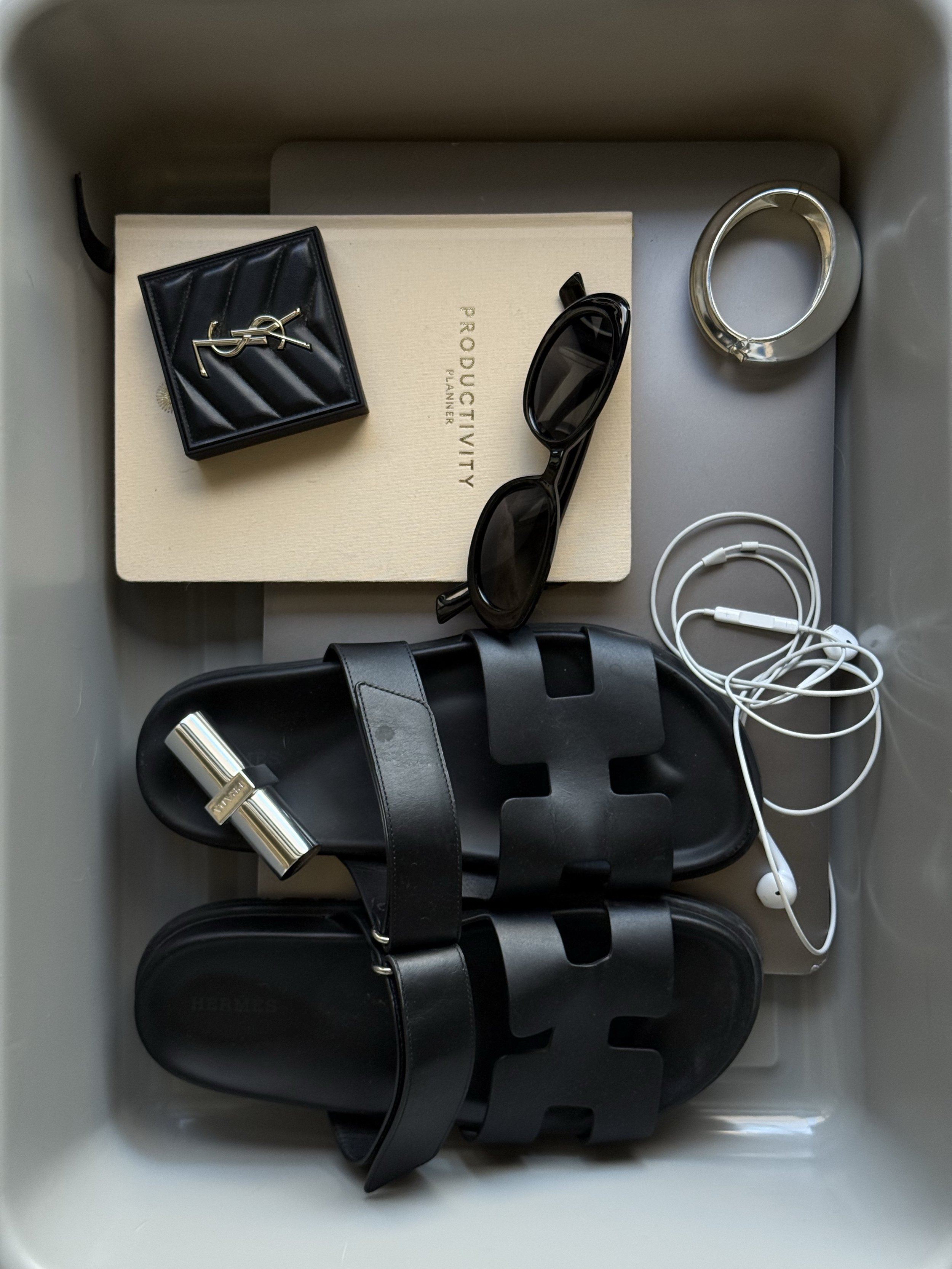
Lifestyle over product. Products in context tend to outperform products in isolation, because Pinterest users are visualizing their lives, not evaluating specifications. A couch styled in a real room drives more click throughs than a couch on a white background. An outfit on a real person in a real setting drives more saves than a flat lay. This is where professional photo and video content pays off.
Multiple images or carousel pins. Step by step content like tutorials, room makeovers, and recipe processes performs well because it earns saves from users who want to come back to it. A save is one of Pinterest’s strongest quality signals. Content that earns saves gets distributed more broadly.
Seasonal content published 45 to 60 days early. Pinterest users plan ahead. Christmas content surfaces best in October. Summer content surfaces best in April. Brands that publish seasonal pins on the same schedule as their Instagram content are chronically late for Pinterest and miss the high traffic planning window entirely.

How Does Pinterest Fit Into the Rest of Your Marketing?
Pinterest doesn’t exist in a silo, and the brands getting the most from it use it as part of an integrated strategy.
Pinterest and email. Pinterest drives cold traffic to your website: people who’ve never heard of the brand, found a pin in search, clicked through, and landed on a product or blog page. The email signup on that landing page is what turns cold Pinterest traffic into an owned audience member. Without a capture mechanism, Pinterest sends traffic that bounces without leaving anything behind.
Pinterest and paid social. Pinterest Ads run on the same intent driven model as organic. Promoted pins surface in search results for the keywords you target, with audience level targeting available. For brands already running Meta paid social, Pinterest Ads can offer complementary reach to an audience that’s actively planning and shopping.
Pinterest and SEO. Pinterest boards and pins are indexed by Google. A well optimized pin can surface in Google image search for the same keywords it ranks for on Pinterest, giving the brand two search placements for the same piece of content. For product brands with strong visual content, this is a compounding benefit most brands aren’t accounting for.
Pinterest and organic social. Here’s the content system that makes Pinterest sustainable without adding major production overhead: vertical content created for TikTok and Instagram gets formatted and keyworded for Pinterest at the same time. One piece of content, two additional distribution channels. A brand already producing consistent short form video and lifestyle imagery has most of what Pinterest needs. It just needs to be deployed there on purpose. Our social media management team builds this kind of multi platform content system for brands every day.
How Do You Get Started on Pinterest? The First 30 Days
For brands starting fresh or reviving a dormant account, the first 30 days are about foundation, not virality.
Week 1: Account Optimization
Complete the business profile. Verify the website. Enable rich pins so product information pulls automatically from your site. Set up 8 to 10 boards with keyword optimized names covering the main content categories for the brand.
Week 2: Content Audit and First Pins
Identify existing content (product photography, lifestyle imagery, blog content, UGC) that can be formatted for Pinterest. Create the first batch of pins with keyword optimized titles and descriptions. Aim for 5 to 7 pins per board to establish relevance before the algorithm starts distributing.
Week 3: Establish the Cadence
Set up a pinning schedule with a target of 15 to 25 pins per week. Use a scheduler like Tailwind to stay consistent without daily manual publishing. Mix fresh content with curated third party pins in adjacent categories to signal to Pinterest what audience the brand belongs to.
Week 4: Analyze and Iterate
Pinterest Analytics shows which pins are driving impressions, saves, and click throughs. The content getting saves is the content worth creating more of. The content getting click throughs is the content worth promoting with paid. Use the data to build the content calendar for month two.
The realistic timeline: Pinterest is typically a 3 to 6 month investment before meaningful traffic results become visible. The compounding effect, where an established pin keeps driving traffic for years, takes time to build. Brands that abandon Pinterest at 60 days because traffic hasn’t spiked are leaving the long term return on the table.
FAQ: Pinterest Marketing for Brands
Is Pinterest still relevant in 2026?
Yes. Pinterest reported a record 640 million monthly active users in Q2 2026 and continues to grow. Its intent driven search model makes it fundamentally different from other social platforms, and its audience is valuable for product brands: Pinterest reaches 40% of US households with an annual income over $150K, and 85% of weekly US Pinners have made a purchase based on Pins from brands. Sources: Pinterest Q2 2026 Results, Pinterest Business.
How is Pinterest different from Instagram for brand marketing?
Instagram is social first. Content is distributed through follower networks and the Explore algorithm, peaks quickly, and requires consistent high volume posting to maintain reach. Pinterest is search first. Content is distributed based on keyword relevance and surfaces in search results for months or years. Instagram builds community in real time. Pinterest builds search visibility that compounds over time. They serve different roles, and the strongest brands use both.
How many pins should a brand publish per week?
15 to 25 pins per week is a solid baseline for building meaningful reach, with at least 5 to 10 of those being fresh content. Consistency matters most. Regular pinning outperforms sporadic bulk uploading because the algorithm rewards accounts with ongoing activity.
Does Pinterest work for service businesses?
Yes, especially for service businesses with a visual process or transformation, or those that produce educational and resource style content. Coaches, designers, consultants, and agencies that create guides and checklists find Pinterest to be a strong organic traffic driver because the people searching for those resources are in active acquisition mode. If you want help turning your expertise into pins, our social media services are a good place to start.
How long does Pinterest SEO take to work?
Expect 3 to 6 months before meaningful traffic results become visible. That’s longer than TikTok or paid social, but the shelf life of the results is far longer. A pin optimized correctly today can surface in search results for years.
Should I use Pinterest Ads?
Pinterest Ads work well for brands that have already established an organic presence and want to amplify high performing content to a broader audience. If you don’t have an existing Pinterest presence, build the organic foundation first. Promoted pins perform better when the account has established relevance.
What’s the biggest mistake brands make on Pinterest?
Treating it like Instagram: posting infrequently, using brand language instead of search keywords, and expecting likes and comments to be the performance indicators. Pinterest success is measured in saves, click throughs, and traffic, not social engagement. Brands that optimize for the wrong metrics miss what the platform is actually delivering.
Ready to Put Pinterest to Work?
Pinterest rewards brands that show up consistently with content built for search. If you want a team handling the strategy and the content, explore our social media management and photo and video services, or reach out and tell us what you’re working on.