
Your Content Library Needs to Catch Up
On August 10, 2026, Amazon started running Sponsored Products ads inside Amazon Influencer Program creator content, and every active campaign was switched on automatically. No brand had to sign up for it. If you are already running Sponsored Products, your ad budget is now showing up next to creator-made video, whether you have any creator content of your own or not. Brands with a steady supply of lifestyle and creator content are set up to benefit from this. Brands that shot one set of product photos at launch and never touched them again are paying for a placement they have nothing to compete with.
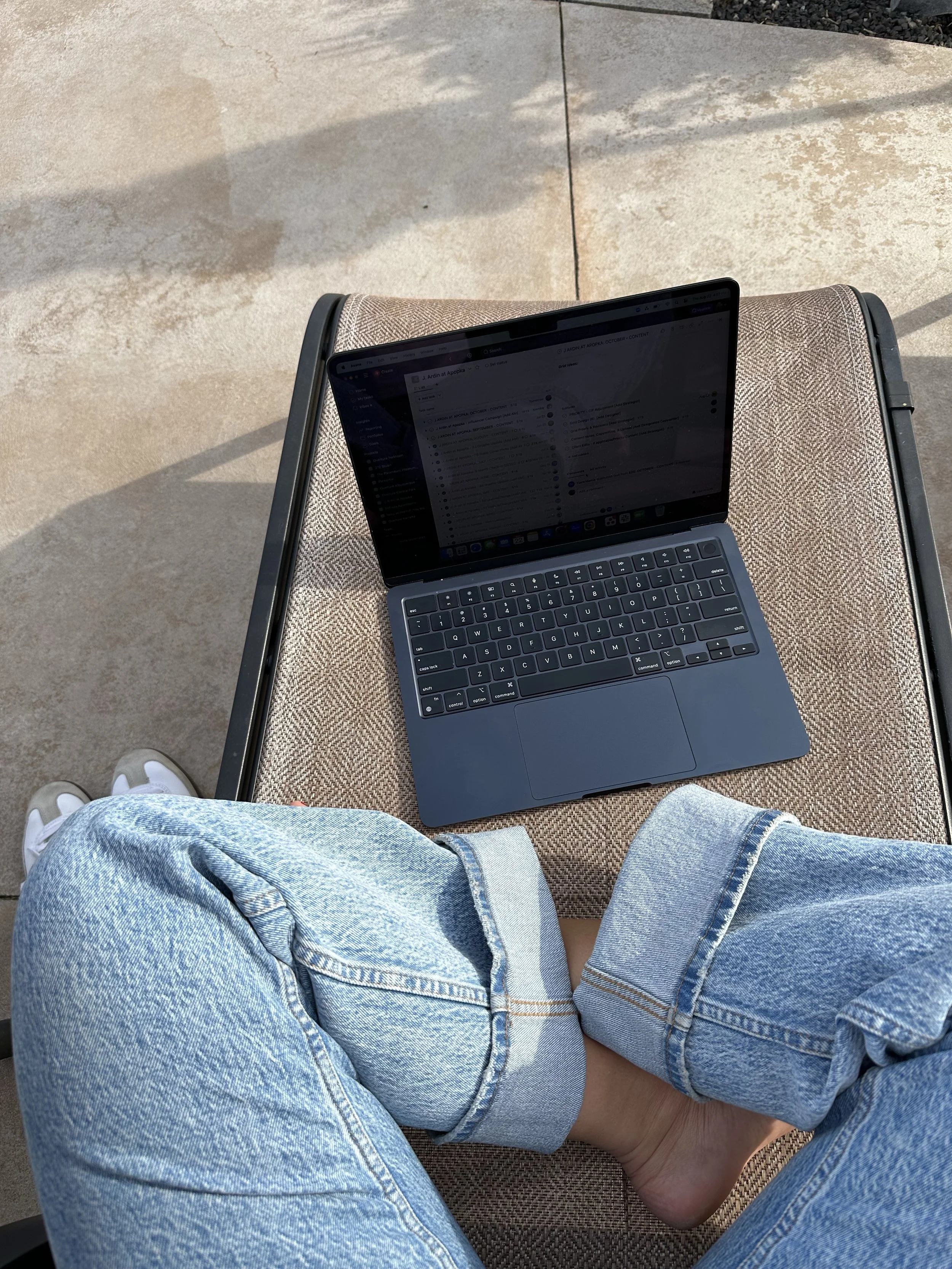
New to Amazon ads? Two quick definitions before we go further. Sponsored Products are the paid ads marked "Sponsored" in Amazon search results and product pages. The Amazon Influencer Program lets approved creators post their own photo and video reviews directly on Amazon, similar to a TikTok or Instagram post. That is the "creator content" this post keeps referring to.
Here's what happened and what to do about it.
What Changed with Amazon Sponsored Products on August 10, 2026?
Amazon auto-enrolled every active Sponsored Products campaign into serving inside Amazon Influencer Program creator content, according to multiple independent trade sources including Common Thread Collective, Tech Times, Velocity Sellers, and AMZ Scaler. No advertiser opted in. No campaign needed to be paused or reconfigured. Existing campaigns simply began appearing in this new placement at their current bids.
The practical effect: a brand's paid ad spend is now showing up in and around real creator content, not just static search results or product carousels. That's a meaningfully different environment, and it rewards brands that already have a presence in creator content over brands that don't.
For years, a brand could run a clean paid search strategy on Amazon without ever touching influencer or creator content, and the two budgets lived in separate parts of the marketing plan. That separation no longer reflects how the ad dollars actually get spent.
What Is an Amazon Content Library?
An Amazon content library is an ongoing bank of photo, video, and creator-made assets built for Amazon-specific placements, refreshed on a regular schedule rather than shot once at launch and left untouched. That includes A+ Content modules, Amazon Live streams, and now, increasingly, Amazon Influencer Program creator content that a brand's own paid ads may run alongside.
The word "library" matters here. A single product photoshoot produces assets. A library produces a system: content that gets added to, rotated, and repurposed on an ongoing basis as products, seasons, and placements change. Most brands treat their Amazon listing content as a box to check once, updated only when a product changes or a competitor complaint forces a redesign. That approach was already leaving performance on the table before this change. It's a bigger liability now that paid spend is directly intertwined with an ongoing content format.
Is Ad Strategy or Content Supply the Bigger Bottleneck?
For most product brands, content supply is the bigger bottleneck, not ad strategy. Bid management, campaign structure, and keyword targeting are real skills, and plenty of brands already have them handled, either in-house or through a specialized Amazon ads agency. What far fewer brands have handled is a steady, ongoing supply of the actual content that makes those campaigns worth running in the first place.
That's the honest gap this change exposes. A well-managed Sponsored Products campaign now depends partly on content it may not have helped create. No amount of bid optimization fixes a brand showing up next to creator content while having none of its own.
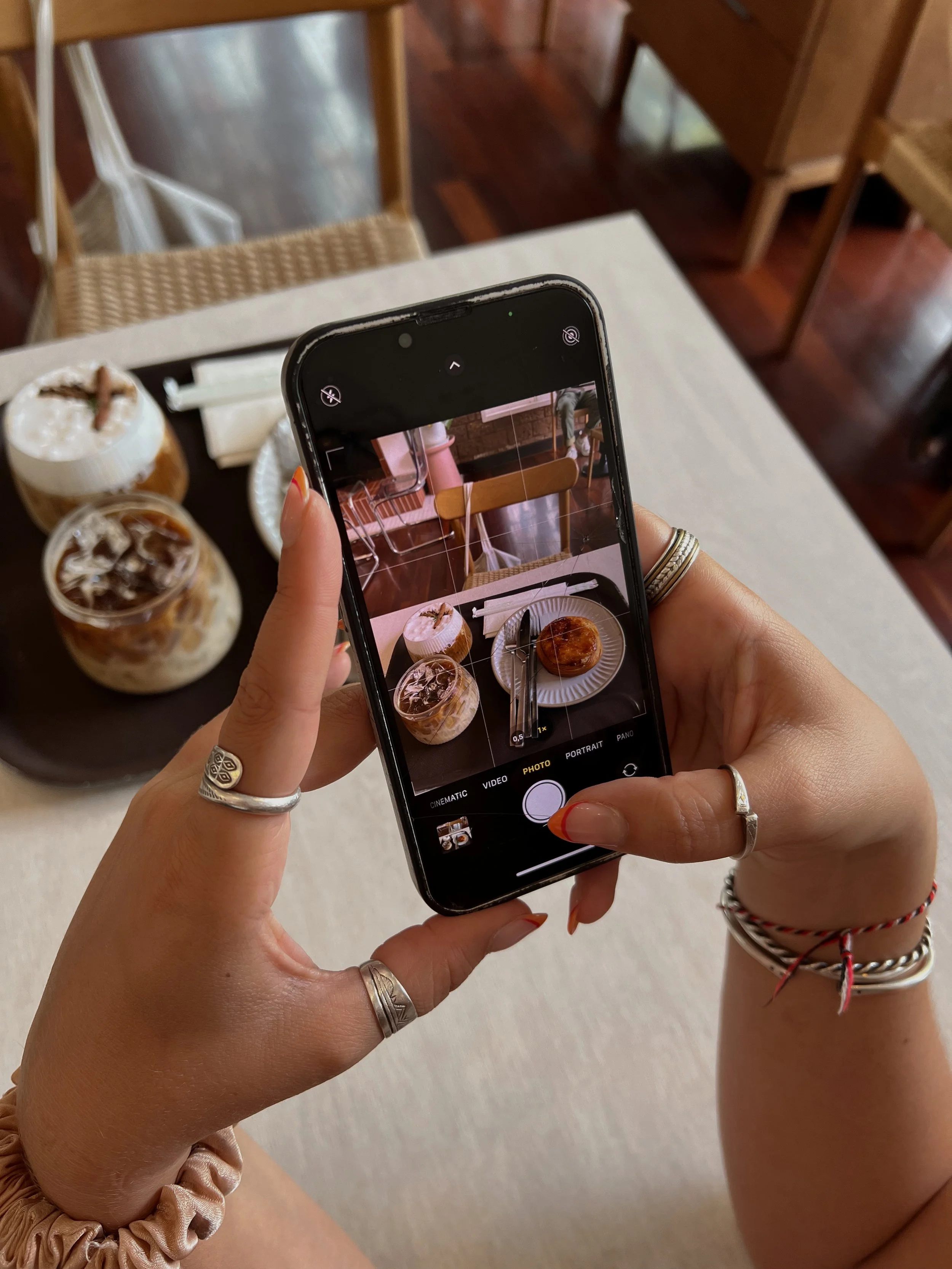
A working Amazon content library typically needs:
Core product photography, refreshed whenever packaging, variants, or bundles change, not just at initial launch.
Lifestyle and in-use footage, shot with multiple aspect ratios and cuts in mind, for A+ Content modules, paid ad creative, and organic social.
Short-form demo or unboxing-style video, the format that performs closest to what creator content already looks like.
Raw, unedited creator footage, sourced through influencer partnerships, that can be cut down into multiple assets rather than used once and discarded.
A refresh cadence, seasonal at minimum, so the library doesn't quietly go stale the way most Amazon listings currently do.
Why Should Amazon Content Also Work for Paid Ads and Other Channels?
Because building content for only one platform wastes the most expensive part of content production: the shoot. A lifestyle video shot for an A+ Content module can, with the right planning, also become paid social ad creative, an organic Instagram Reel, and now, potentially, the exact style of content a brand wants running near its own Sponsored Products ads. Briefing every shoot with multiple outputs and formats in mind, rather than a single deliverable, is what turns one production budget into three or four channels of usable content instead of one.
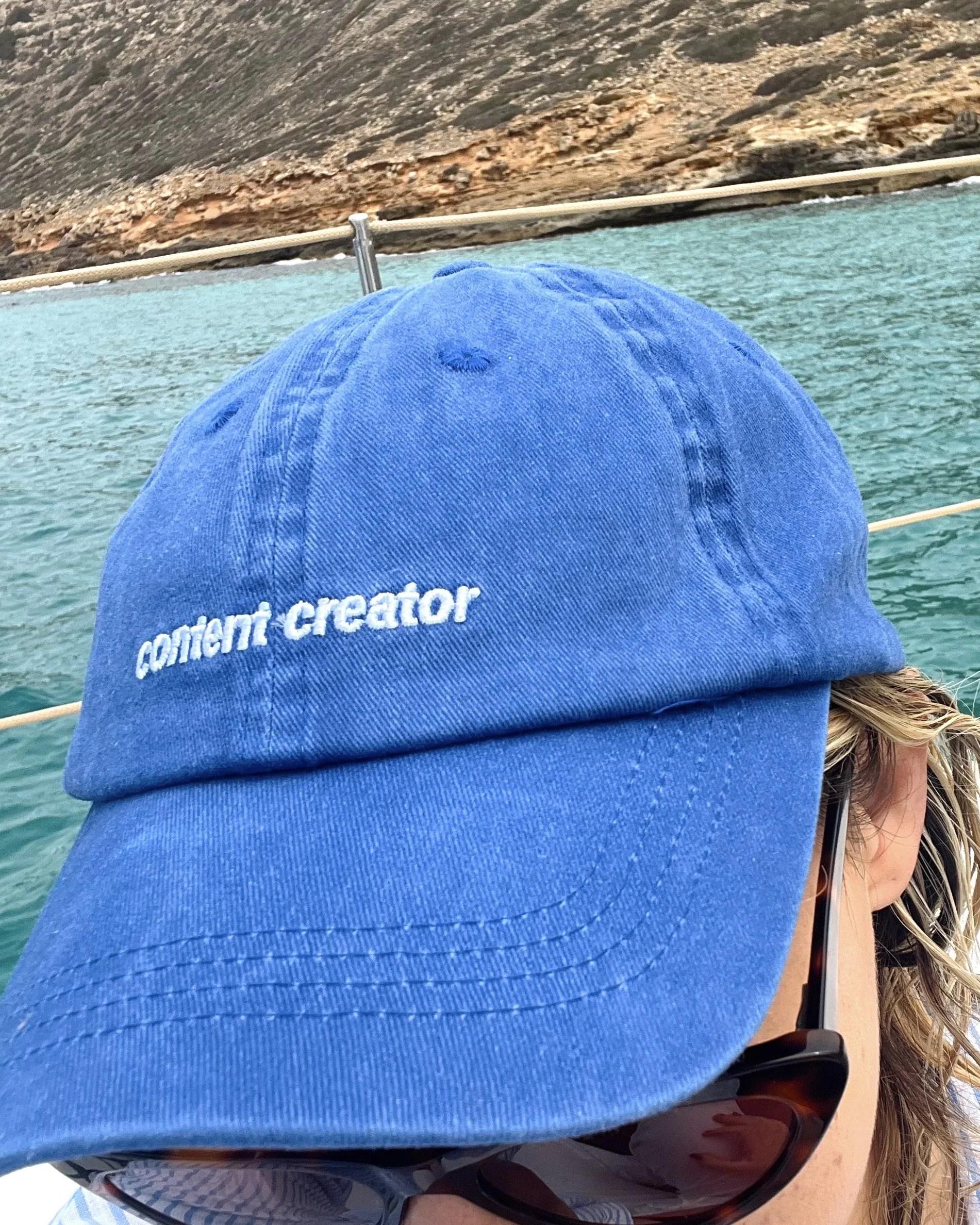
How Can Influencer Partnerships Fill an Amazon Content Library?
By writing content usage rights and an affiliate or commission structure directly into every influencer agreement, not just paying a flat fee for a single post. This matters more now than it did before August 2026, since Amazon Influencer Program content is the exact inventory Sponsored Products ads are now running inside.
A few clauses worth including in any influencer agreement built around this:
A content usage clause granting rights to repurpose the creator's content across owned channels, paid ads, and Amazon placements, for a defined term, not just wherever they originally posted it.
An affiliate or commission layer, a tracked link or code, on top of any flat fee, so the creator has an ongoing reason to keep producing content rather than stopping the moment the invoice clears.
A minimum raw footage deliverable, beyond the finished post, since unedited footage is often the most reusable asset in the entire agreement.
Whitelisting or paid ad usage rights, letting the brand run the creator's content as an ad under the brand's own handle, negotiated up front rather than licensed after the fact at a markup.
A defined term length, typically six to twelve months, so usage rights don't become an open-ended, undervalued asset for the creator.
Structured this way, a single influencer campaign stops being a one-time placement and starts functioning as an ongoing pipeline feeding the exact inventory Amazon just tied paid ad spend to.
Where a Content Agency Like Ours Actually Fits
We're not Amazon ad strategists, and we won't pretend to be. We make sure content isn't the reason a brand's Amazon growth stalls. Bid management and campaign structure are a specialty of their own, and if a brand already has that handled in-house or through an Amazon-focused agency, that piece doesn't need to change.

Where we're genuinely useful is the part most brands underinvest in: an ongoing supply of product photography, lifestyle and demo video, and managed influencer relationships built with proper usage rights from the start. That's content strategy and production, not Amazon platform consulting, and it's the piece that now feeds A+ Content, paid ad creative, and the creator content Sponsored Products ads are running inside, all from the same library instead of three separate scrambles.
The most common failure mode we see isn't a brand choosing the wrong partner for this. It's underestimating how much volume a real library requires, then quietly sliding back into a sporadic, one-off shoot every few months. An ongoing content partner exists specifically to keep that from happening.
This is also where the same ambassador-style thinking behind how CharCharms built ongoing advocacy into its growth applies directly. A single campaign produces a single burst of content. An ongoing relationship, with an agency or a network of creators, produces a library.
What This Means for Product Brands Right Now
Amazon didn't ask permission before tying paid ad spend to creator content. That's simply the environment now. The brands that adjust fastest stop treating Amazon content, paid ad creative, and influencer partnerships as three separate line items and start treating them as one system feeding a single, continuously growing library.
Work with us to build your content library. Let’s connect!
FAQ
What changed with Amazon Sponsored Products in August 2026? On August 10, 2026, Amazon auto-enrolled all active Sponsored Products campaigns into serving inside Amazon Influencer Program creator content, with no advertiser opt-in required.
What is an Amazon content library? An ongoing, regularly refreshed bank of photo, video, and creator content built for Amazon placements like A+ Content, Amazon Live, and Amazon Influencer Program content, rather than a single set of assets shot once at launch.
Can influencer content be reused for both Amazon and paid ads? Yes, if the influencer agreement includes a content usage clause and whitelisting or paid ad usage rights negotiated up front. Without those terms in writing, reusing the content for ads or other placements typically isn't permitted.
Should a product brand hire an agency to manage its Amazon content library? It depends on whether the brand has a dedicated, ongoing in-house production resource. A content-focused agency's role is supplying photography, video, and managed influencer content, not managing ad bids or campaign structure, which is a separate specialty. Most brands underestimate the volume a real library requires, which is where a content partner typically keeps output consistent without pulling focus from strategy.
Sources
Common Thread Collective, Tech Times, Velocity Sellers, Affiverse, and AMZ Scaler, reporting on Amazon's August 10, 2026 auto-enrollment of Sponsored Products campaigns into Amazon Influencer Program creator content.
TLDR
As of August 10, 2026, Amazon Sponsored Products ads run inside Amazon Influencer Program creator content by default, with no opt-in required.
An Amazon content library is an ongoing system of assets, not a single shoot, built for A+ Content, Amazon Live, and creator content together.
Shoot content with paid ads and other channels in mind from the start to avoid re-shooting the same product for every new placement.
Build content usage rights and an affiliate structure into every influencer agreement to turn one campaign into an ongoing content pipeline.
For most brands, content supply, not ad strategy, is the actual bottleneck holding back Amazon growth right now.
Whether built in house or through a content-focused partner, the brands winning right now treat Amazon content, paid ads, and influencer partnerships as one connected system.