
The Feed Is the Funnel: Why Visual Search Is the New Google
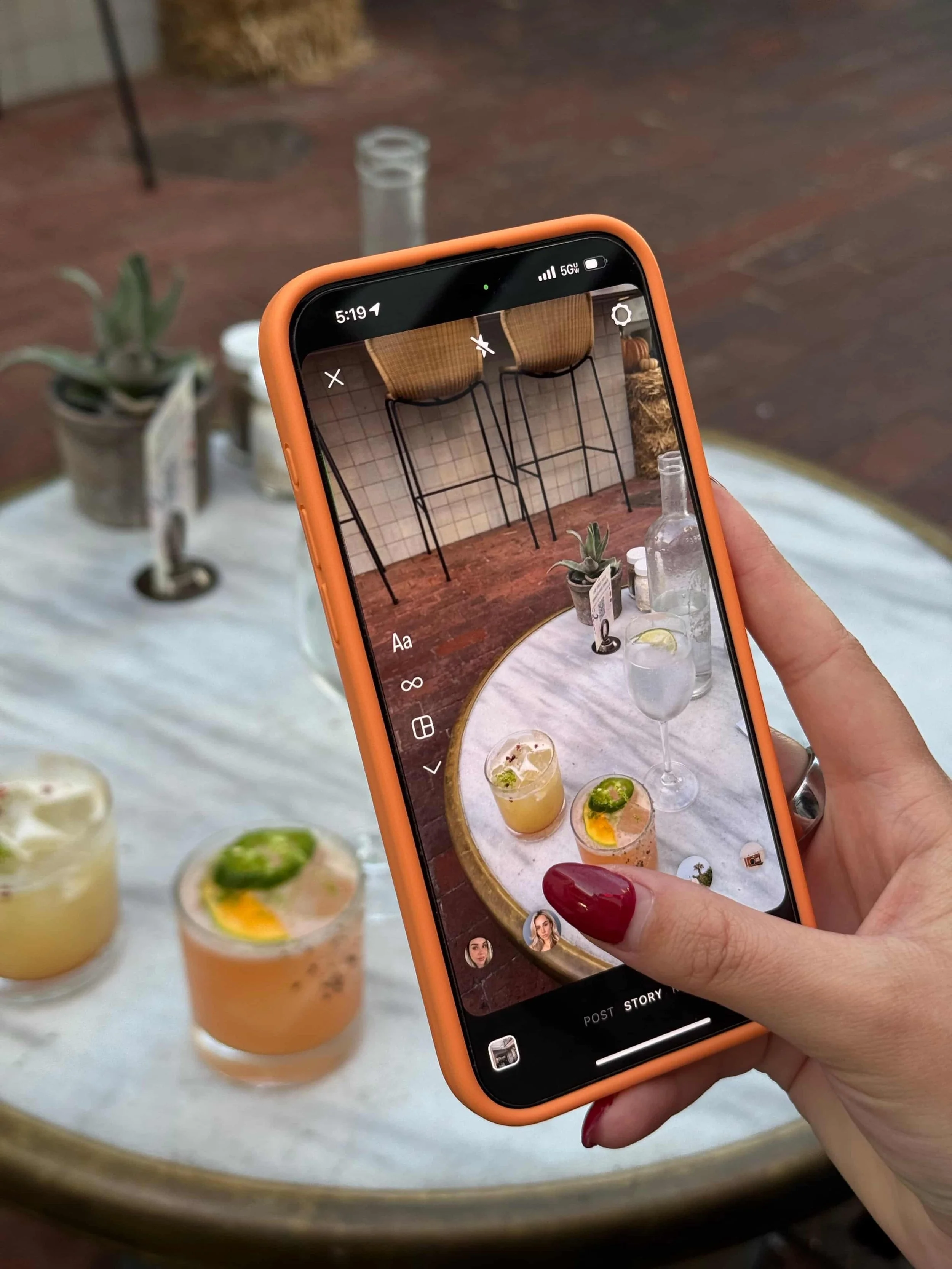
Have you ever wished you had a twin who could try on the jeans, test the blush shade, or rearrange your living room before you committed to anything?
Same. Because shopping is exhausting. Reviews are rigged, product photos are shot on white backdrops that tell you nothing, and that "perfect" dress looked completely different once it arrived.
That's why visual search has taken over. And why brands that haven't figured this out yet are quietly losing ground to ones that have.
Visual search engines don't just help people find products. They help people see themselves in them.
That shift, from searching for something to seeing yourself with something, is why Pinterest, TikTok, Instagram, and Lemon8 have become the most powerful discovery channels available to product and service brands right now. And it's why the brands winning in those spaces aren't just posting content. They're creating context.
The Big Shift: From "What Is It?" to "How Does It Live?"
Search used to mean keywords and price filters. Now it's storyboards.
Instead of Googling "brown leather couch," someone opens Pinterest and searches "cozy living room fall aesthetic." Instead of searching "cream blush," they scroll TikTok until they find someone with their exact undertones showing how it melts into skin in natural light. Instead of reading product descriptions, they watch a 30-second video of a real person using the thing in a real space.
Visual search is intuitive. Emotional. Contextual. It doesn't ask "what are you looking for?" It asks "what do you want your life to feel like?"
The numbers reflect the shift. 62% of Millennials and Gen Z prefer visual search over any other search technology (ViSenze Visual Commerce Report, 2024). Pinterest alone processes 600 million visual searches per month (Pinterest Newsroom, 2024). And TikTok is now the preferred search engine for Gen Z for product discovery, restaurant recommendations, and how-to content — ahead of Google (Adobe Digital Insights, 2023).
This isn't a trend. It's a behavioral shift that's already happened. The question is whether your brand is showing up for it.
The Visual Search Platforms Worth Your Attention
Pinterest: The Original Visual Search Engine
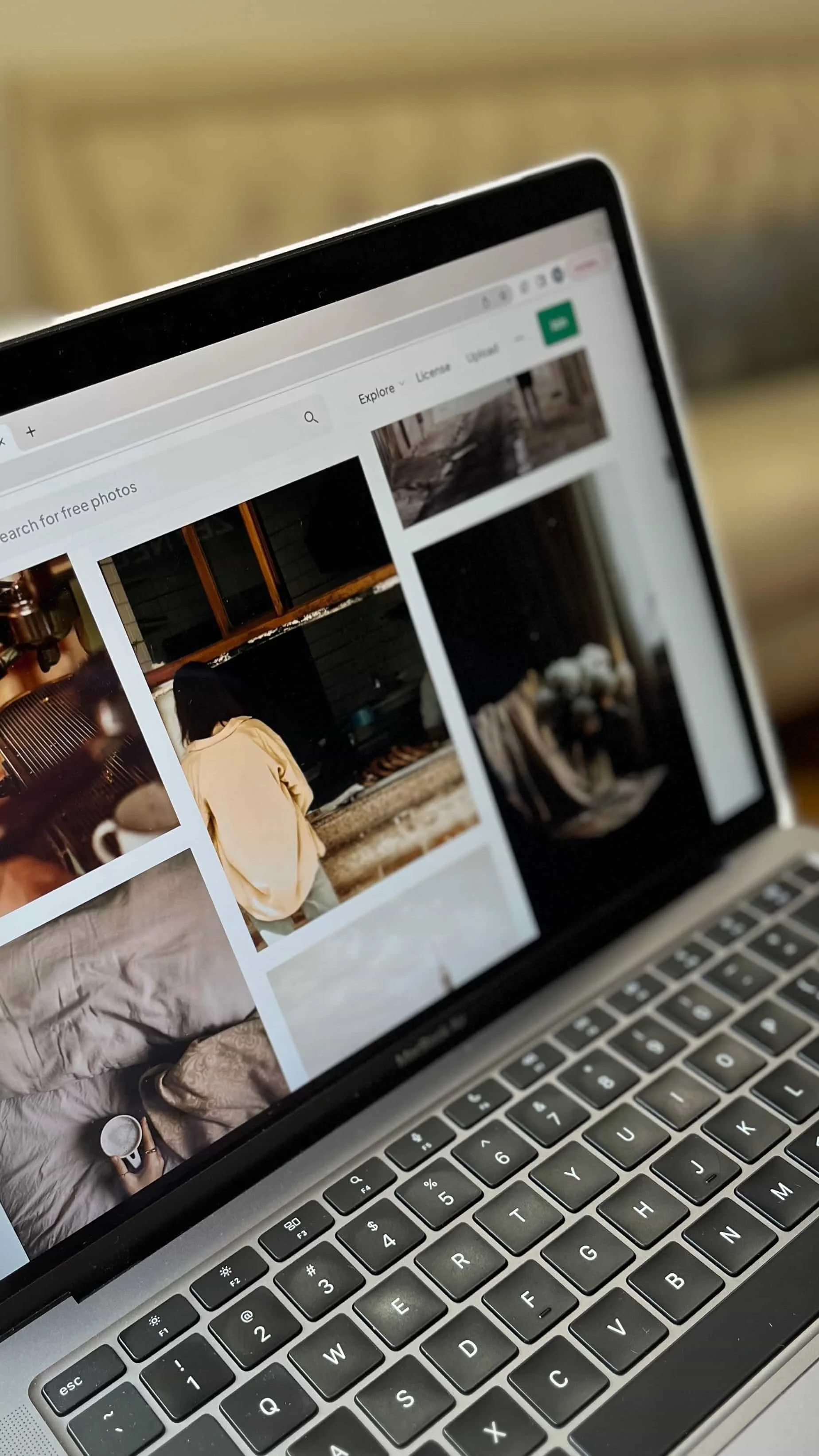
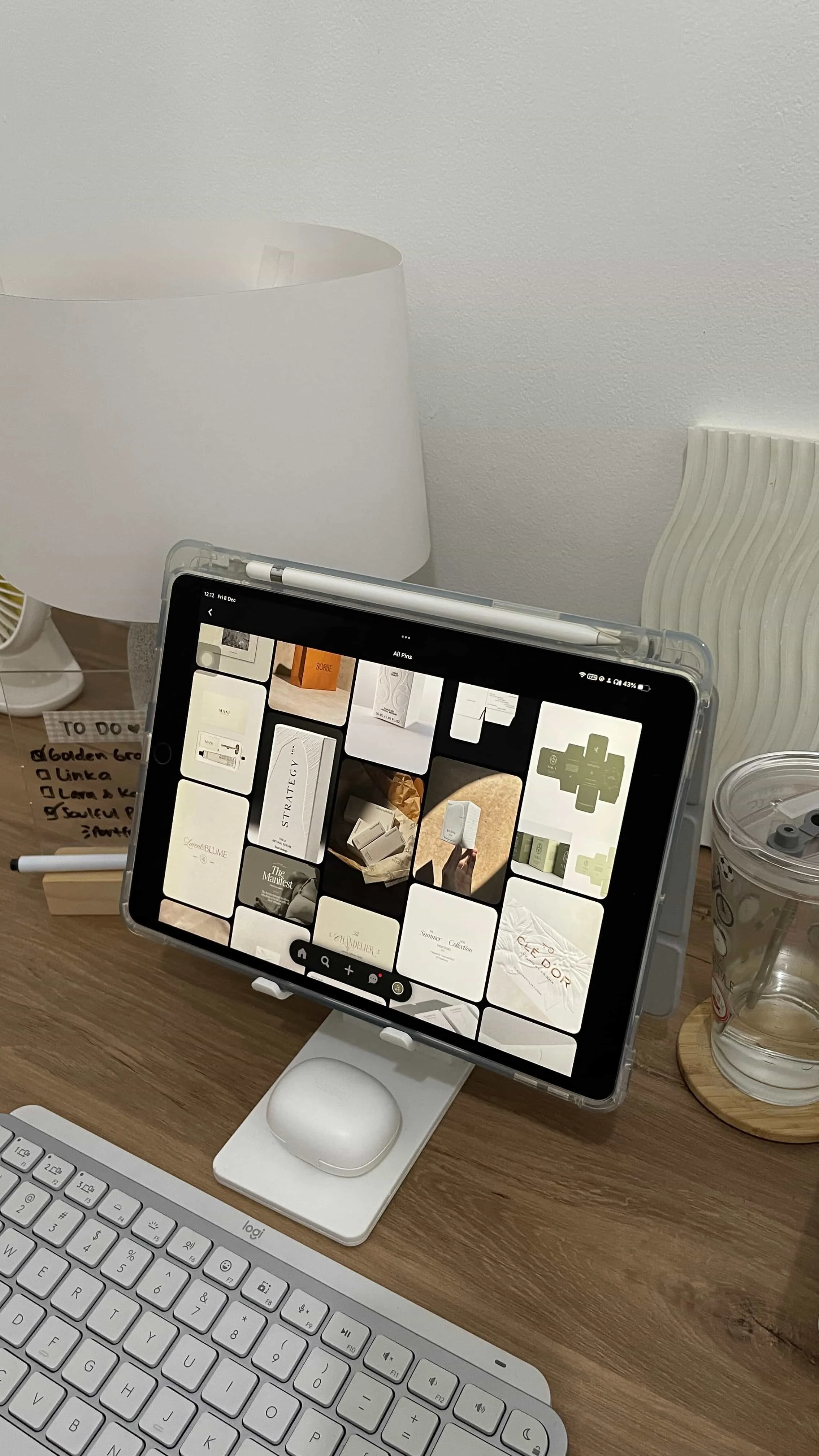
Pinterest is still undefeated for intent-driven discovery. People don't show up here to kill time. They arrive with a vibe, a vision, and a Pinterest board that is basically a mood board for the life they are building. And the platform meets them right there.
The mechanics that make it work: pinning is a micro-commitment (a save is an expression of desire, not just a passive scroll), visual similarity search surfaces "more like this" at scale, and the audience is overwhelmingly in planning and purchasing mode. Pinterest users are 7x more likely to purchase products they've saved than users on other platforms (Pinterest Business Insights, 2024).
Best for: home decor, weddings, wellness, fashion, food, seasonal products, and any brand with a strong aesthetic identity.
TikTok: Where Products Get Proven
People don't just scroll TikTok for entertainment anymore. They search it for proof."Best affordable SPF for oily skin." "How does this couch actually look in a small apartment." "Is this coaching program worth it." TikTok is where someone goes to see a product in the wild — in motion, in context, with real people reacting to it in the comments.40% of Gen Z uses TikTok as their primary search engine (Google Internal Data via TechCrunch, 2022), and that number has only grown since. The algorithm also does something no other platform does as effectively: it shows your content to people who didn't know they were looking for you yet. That is top-of-funnel reach that paid media struggles to replicate.Best for: any brand with a product or service that transforms: skincare, style, food, coaching, real estate, fitness, and services with a visible process or result.
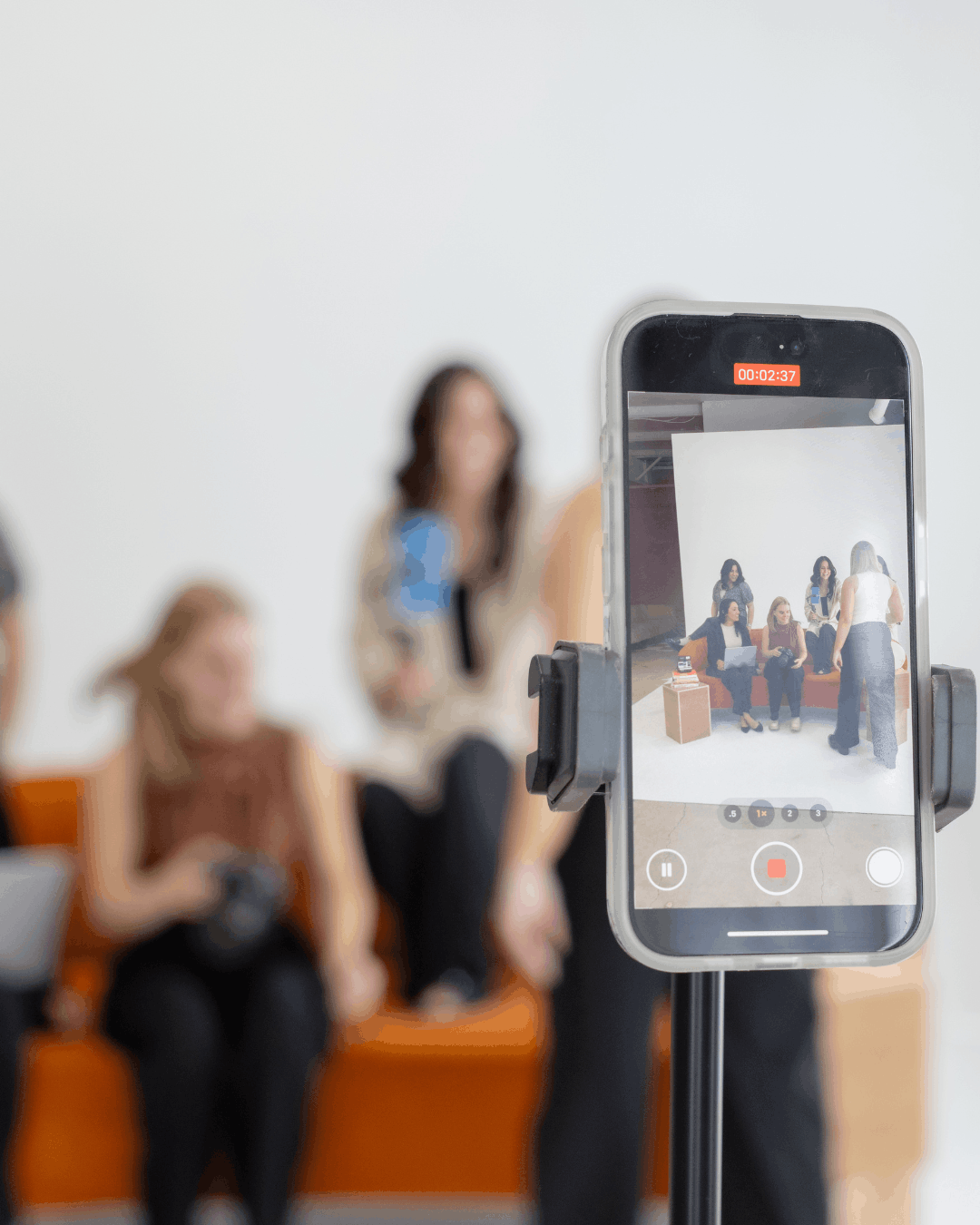
Instagram: The Visual Storefront
Instagram has evolved from a photo-sharing app into a full visual search and commerce platform. The search bar, Reels discovery, Explore page, and hashtag architecture all function as search tools. And shoppable posts have made the path from discovery to purchase shorter than it has ever been.The save button is the new wishlist. When someone saves a post, they're expressing purchase intent — and the algorithm interprets saves as one of its strongest quality signals, pushing that content to more people as a result. Instagram posts with at least one hashtag average 12.6% more engagement than those without (Sprout Social Instagram Benchmarks, 2024), and Reels now generate 22% more interaction than standard video posts on the platform.Best for: fashion, beauty, hospitality, food and beverage, lifestyle products, and personal brands with strong visual storytelling.
Lemon8: The Quiet Breakout
Think of Lemon8 as Pinterest and TikTok's Gen Z offspring with journaling tendencies. It's niche, deeply review-focused, and visually structured in a way that rewards depth over virality.
The carousel format lets creators build genuine product guides, not just aesthetic moments. Users write detailed reviews, share process-oriented content, and build trust through transparency. It is content-first, commerce-second, which is exactly why it converts. Lemon8 surpassed 15 million US downloads in 2024 (Data.ai App Intelligence, 2024) and is growing fastest among 18–24 year old female consumers which is a demographic most brands are fighting hard to reach.
Best for: emerging brands, indie products, community-driven businesses, and any brand targeting a younger female audience that values authenticity over polish.
Who Benefits From Visual Search (The Answer Will Surprise You)
The Obvious Winners: Product-Based Brands
Fashion and apparel. Show it on multiple body types. Style it in multiple ways. Let real customers be the model. The brand that helps someone answer "would this work on me?" wins the sale before the competitor who shows a single editorial image ever gets considered.
Kitchen, home, and lifestyle. Context is everything. Cookware in use. Furniture styled in a real room at different times of day. Candles burning, not sitting on a white surface. The product isn't the content. The life it creates is.
Beauty and skincare. Application tutorials, before-and-afters, day-to-night looks, honest swatches across different skin tones and textures. Beauty is the #1 category on TikTok Shop — and it got there because beauty brands understood early that showing beats telling every single time. (TikTok for Business Beauty Report, 2024)
The Less Obvious Winners: Service-Based Brands
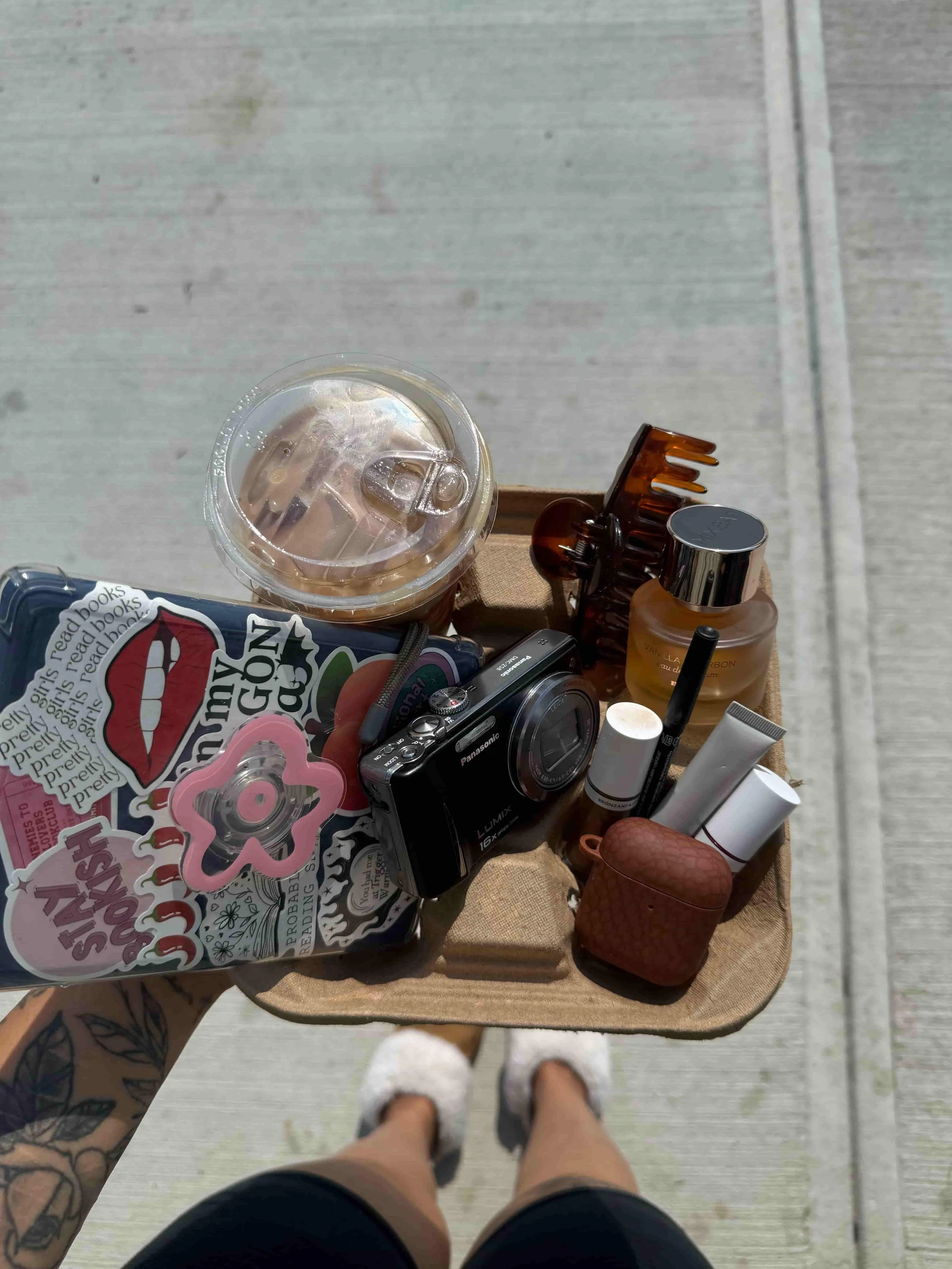
This is where most service businesses leave significant visibility on the table, because they assume visual search is for products and not for them.
It is not.
Website designers and creative agencies. Don't just say you build beautiful websites. Show the aesthetic. Show the animation. Show what it looks like on mobile. The visual of the work converts faster than any case study ever will.
Coaches and consultants. Walk people through the transformation. What did the client's situation look like before? What changed? What does the process actually involve week to week? Visual proof of outcomes is your most valuable sales asset — and most coaches aren't using it.
Photographers and videographers. The feed is the portfolio, and the portfolio should be curated like a visual search destination. Themed content like moody fall couples shoots, NYC brand portraits, and sunset maternity on film attracts clients already searching for exactly that aesthetic. They are not just showing their work. They are making it findable.
Any brand that creates transformation. Not just transactions, benefits from visual proof. If your service changes something about someone's life, their business, or their space, show that change happening.

Why Visual Search Is More Than a Trend
The behavioral shift driving visual search isn't going away — because it's rooted in how trust actually works in 2026.Attention spans are shorter. Skepticism is higher. And buying decisions are emotional first, rational second. Visual search wins because it collapses the distance between "I wonder if this would work for me" and "I need this."Visual content is processed 60,000 times faster than text by the human brain (3M Visual Attention Study, widely cited). Posts with images produce 650% higher engagement than text-only posts (WebDam Visual Marketing Statistics). And shoppable posts on Instagram drive a 130% higher conversion rate than standard posts (Instagram Business Data, 2024).It's not just marketing. It's matchmaking. The right visual, in front of the right person, at the right moment. The sale starts before a single word is read.
How to Win in the Visual Search Era
Show the product living, not just existing. Not what it is — how it's used, where it goes, who it's for. Behind-the-scenes, in-context lifestyle shots, tutorials, UGC. The white backdrop photo answers "what does it look like?" Visual search content answers "is this for me?"
Optimize for how people actually search. Use keywords inside your content: captions, subtitles, text overlays, alt text, file names. People are searching 'clean girl bathroom shelf' and 'how to style wide leg pants if you are petite.' Your content should be built to surface for those searches, not just to look good in the feed.
Build content by vibe, not just by product. "Cozy Kitchen Fall Reset" converts differently than "shop our new cookware collection." You're not selling products — you're selling the feeling of having them. Build content that makes that feeling real.
Treat your social feed like a visual catalog. Pin your best-performing content. Curate Highlights. Make your grid tell a coherent story to someone visiting your profile for the first time. First impressions on social work the same way first impressions on a website do. You have about three seconds to communicate what you are and why it matters.
Post consistently enough for the algorithm to work for you. Visual search platforms reward accounts that publish regularly. The algorithm learns what your content is, who responds to it, and serves it to more of those people over time — but only if you're giving it enough data to work with. Inconsistent posting breaks that learning loop. Accounts that post consistently see 3x more reach growth than those posting sporadically (Hootsuite Social Media Trends Report, 2024).
FAQ: Visual Search and Social Media for Brands
What is visual search and why does it matter for brands? Visual search is the practice of using images, video, and visual content to discover products and services rather than typed keywords. It matters for brands because it is where consumer discovery is increasingly happening. Platforms like Pinterest, TikTok, Instagram, and Lemon8 function as visual search engines, and brands that optimize for them are showing up earlier and more authentically in the buying journey than brands relying solely on traditional search.
Is TikTok really replacing Google for product discovery? For younger audiences, increasingly yes. 40% of Gen Z uses TikTok as their primary search engine for product discovery, restaurant recommendations, and how-to content. For product and lifestyle brands targeting under-35 consumers, TikTok visibility is now as strategically important as Google search visibility — and in some categories, more so.
What types of content perform best for visual search? In-context product use, tutorials and demonstrations, before-and-after transformations, UGC (real customers using real products), and lifestyle content that shows the feeling of owning or using something — not just the product itself. Content that helps someone see themselves in the outcome consistently outperforms content that simply shows the product.
Does visual search work for service businesses? Absolutely, and most service businesses are leaving significant visibility on the table by assuming it does not apply to them. Coaches, designers, photographers, consultants, and agencies all benefit from visual proof of their process and outcomes. If your service creates transformation, visual content showing that transformation is your most powerful marketing asset.
How does Pinterest differ from Instagram for product discovery? Pinterest is more explicitly search-driven. Users arrive with intent and search specific aesthetics or concepts, and content has a longer shelf life since pins surface in search results for months or even years. Instagram is more social-first, where discovery happens through the Explore page, Reels algorithm, and follower networks. Both are valuable and the right mix depends on the brand category and audience.
How often should a brand be posting on visual search platforms? Consistently enough for the algorithm to learn and distribute your content, which typically means at minimum 4 to 5 times per week on TikTok and Instagram, and 15 to 25 pins per week on Pinterest for brands trying to build meaningful reach. The frequency that matters most is whatever you can sustain with quality. Inconsistent posting at high volume is less effective than consistent posting at moderate volume.
What is Lemon8 and should my brand be on it? Lemon8 is a visual discovery platform combining the depth of Pinterest with the authenticity of TikTok — popular with 18–24 year old female consumers and growing rapidly in the US. For brands targeting that demographic, particularly in beauty, wellness, fashion, and lifestyle, it's worth establishing a presence now while the platform is still relatively uncrowded. Early movers on emerging platforms consistently build audience at a lower cost of effort than brands that arrive after saturation.

TL;DR
Visual search has replaced keyword search as the primary discovery mechanism for a growing majority of consumers, especially those under 35. Pinterest, TikTok, Instagram, and Lemon8 are now functioning as search engines, and the brands showing up on them are not just posting content. They are creating context. Product brands that show their products living in the real world convert faster than brands showing products on white backdrops. Service brands that show their process and outcomes visually build trust faster than brands describing their services in text. The feed is the funnel. The save button is the new wishlist. And the swipe is where the sale begins, long before anyone opens a cart.
Cucamonga Media builds organic social media programs for product and service brands that are ready to show up where their audience is already searching. Let's talk →
