
TikTok Marketing for Product Brands: What's Actually Working in 2026
TikTok is not a trend anymore. It is infrastructure.
For product brands, it has become the most powerful organic discovery channel available. It is the place where an unknown candle brand sells out overnight, where a skincare product goes from 200 orders a month to a waitlist, where a founder's 47-second video does more for awareness than six months of paid social ever did.
But here is what the viral success stories leave out: TikTok alone is not a strategy. The brands winning right now are not just posting on TikTok and hoping the algorithm delivers. They are building a connected system where TikTok drives discovery, Instagram drives conversion, and Meta ads handle amplification, and they are letting each platform do the thing it is actually built for.
Here is what that looks like in practice.

Why TikTok Works Differently for Product Brands
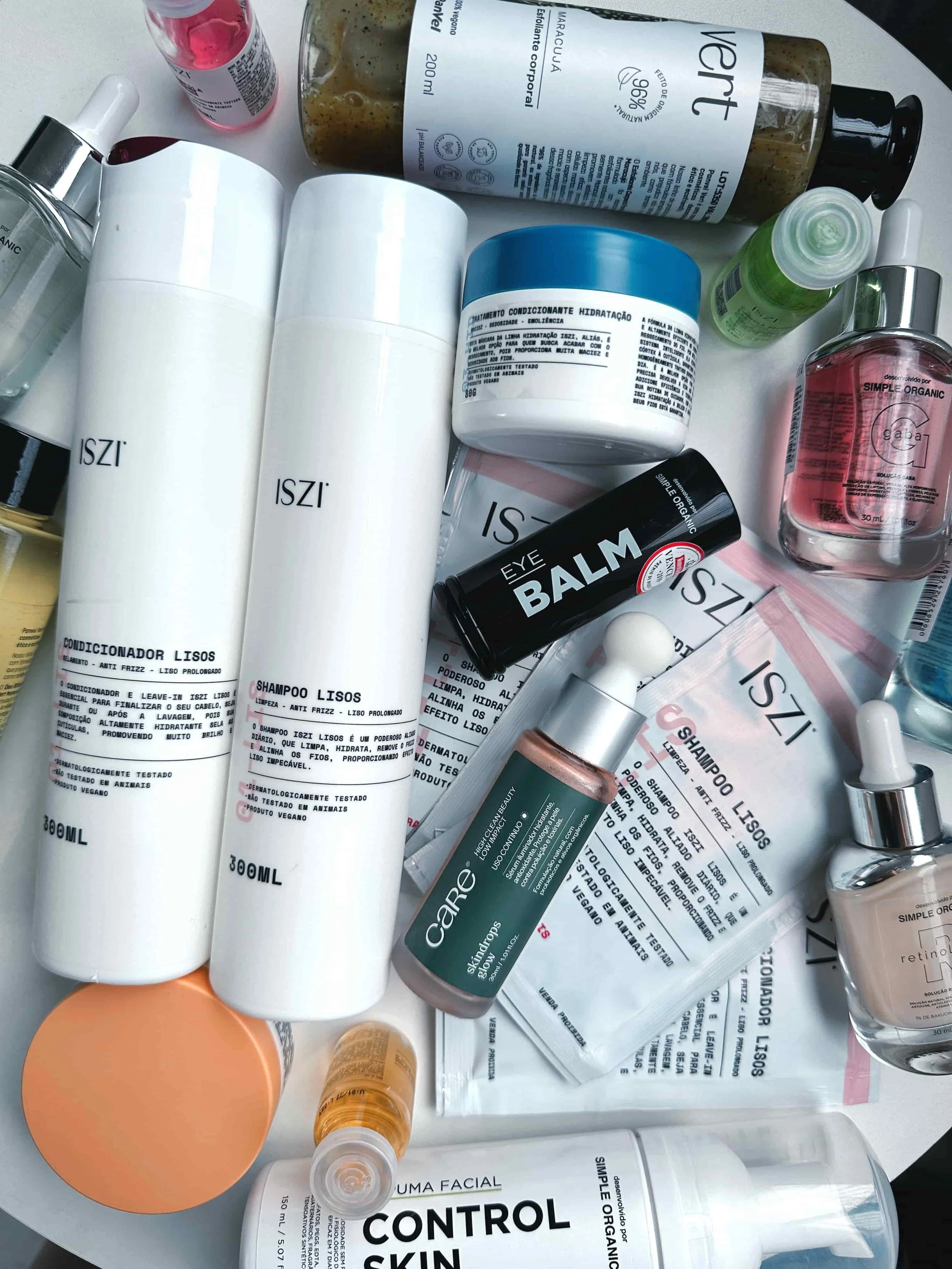
TikTok's algorithm is the most democratized in social media. Unlike Instagram, where reach is heavily weighted toward accounts with existing followings, TikTok serves content based on interest signals — which means a brand with 200 followers can reach 200,000 people with the right video. That's not a fluke. It's by design.
Discoverability is baked in. TikTok's For You Page is the internet's most powerful product discovery engine right now. 49% of TikTok users say they've purchased a product they discovered on the platform (TikTok for Business, 2024). For product brands, that's not a vanity stat, it's a revenue signal.
Authenticity converts better than production value. This is TikTok's most counterintuitive truth for brands used to polished creative. A phone-shot video of a founder explaining why they made their product: raw, direct, real, routinely outperforms a brand film that cost ten times more to produce. The audience isn't looking for advertising. They're looking for something worth watching.
Sound and format matter more than anywhere else. Trending audio, native text overlays, the right hook in the first two seconds - TikTok content that performs is designed for the platform from the start. Repurposing an Instagram Reel and uploading it with a watermark is not a TikTok strategy. The algorithm knows. The audience knows.
TikTok Shop: The Shortest Path from Discovery to Purchase
TikTok Shop has changed the conversion equation for product brands in a way that's hard to overstate.

In-app purchasing means the path from "I just saw this product" to "I just bought this product" is now measured in seconds. No link in bio, no redirecting to a website, no friction. A viewer watches a video, taps the product tag, and checks out without ever leaving TikTok.
The numbers reflect this. TikTok Shop drove $11.09 billion in US sales in 2023 and is projected to more than double that figure by 2026 (Bloomberg Intelligence, TikTok Commerce Report, 2024). For context: that's a commerce channel that barely existed two years ago.
What's working in TikTok Shop right now:
Live shopping events. Brands that host regular TikTok Lives with product demonstrations, limited-time offers, and real-time audience interaction are seeing conversion rates that rival, and in some categories exceed, traditional paid campaigns. The live format creates urgency that static content simply cannot manufacture.
Shoppable video tags. Product tags embedded directly in organic videos turn every post into a potential purchase moment. This is the lowest-friction conversion tool available on any social platform right now.
Creator affiliate programs. TikTok's affiliate marketplace lets creators earn commission on sales they drive — which means brands can build a distributed sales force of aligned creators without paying upfront. Performance-based, scalable, and self-selecting for creators who actually believe in the product.
The caveat: TikTok Shop works best for brands with clear, demonstrable products, meaning something that benefits from being shown in use. If the product needs context, explanation, or an emotional story to convert, the live and shoppable video formats are where that story gets told.
Why Instagram Is TikTok's Best Partner
Here's the pairing that the most sophisticated product brands have figured out: TikTok is where you get discovered. Instagram is where you get chosen.
They serve fundamentally different roles in the consumer journey, and treating them as interchangeable platforms is one of the most common mistakes in social media strategy.
TikTok builds awareness at scale. The algorithm surfaces your content to people who've never heard of you. The format rewards authenticity and entertainment. The audience is in discovery mode.
Instagram builds the brand relationship. When someone discovers you on TikTok and wants to know more — and they will, if the content is good — the first thing they do is search for you on Instagram. What they find there either closes the loop or loses the sale. A strong Instagram presence converts TikTok discovery into real consideration.
Instagram Stories: The Underused Conversion Layer
Instagram Stories are one of the most direct product-to-purchase tools available to brands and most product brands are not using them aggressively enough.
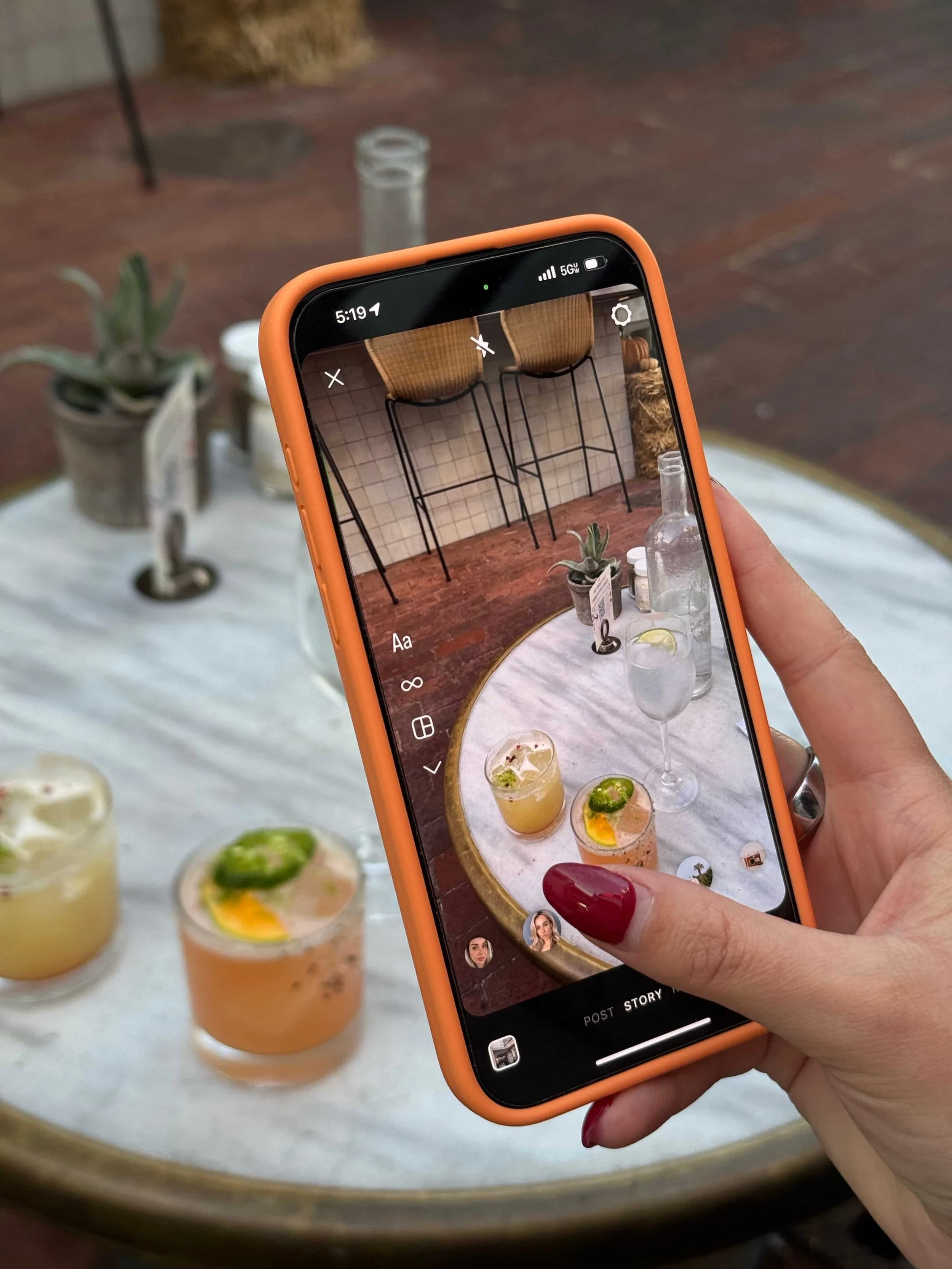
Stories sit at the top of the feed. They're ephemeral, which creates a natural urgency. And critically, they support direct product links — meaning a swipe-up or sticker tap takes a viewer directly to a product page, a limited collection, or a checkout flow without any additional navigation.
What high-converting Instagram Stories look like for product brands:
Flash sales and limited drops. "Available for the next 24 hours" with a direct product link. The time constraint is the conversion mechanism.
Behind-the-scenes content. How the product is made, packed, or used in real life. This is trust-building content that performs in Stories because it feels unfiltered.
User-generated content reshares. Reposting a customer's story wearing, using, or reviewing the product — with a product link attached. Social proof plus direct conversion in one frame.
New arrival announcements. A swipe-up to the product page the moment something drops. The audience that's been following along converts fastest on launch day.
Polls and questions. "Which color should we bring back?" or "What would you like to see next?" These drive engagement and signal to the algorithm that the account is worth prioritizing — while making the audience feel like contributors, not consumers.
The brands using Instagram Stories as a conversion layer, not just a place to post what didn't make the feed, are seeing meaningful direct traffic from organic social. No ad spend required.
Instagram Feed and Reels: Building the Brand You're Worth Googling

If TikTok is the first impression, Instagram is the portfolio. The feed should tell a coherent brand story — consistent aesthetic, clear product positioning, social proof, and content that makes a first-time visitor understand immediately who the brand is and whether it's for them.
Reels on Instagram extend TikTok content's reach with a different audience demographic. Instagram's Reels algorithm has expanded significantly — Reels now generate 22% more interaction than standard video posts on Instagram (Socialinsider Instagram Benchmarks, 2024). For product brands, cross-posting TikTok content to Reels, properly formatted and without watermarks, is one of the highest-efficiency moves in an organic social program.
Meta Ads: The Amplification Layer That Makes the Whole System Work

Here's the honest truth about organic social in 2026: it builds the brand, but it doesn't control the timing. The algorithm decides who sees what and when. For product brands with seasonal inventory, launch windows, or promotional moments that can't wait for organic reach to develop — that's a problem.
Meta ads solve it. And right now, they're solving it at a cost that brands with real marketing budgets should be taking full advantage of.
Meta ads are currently underpriced relative to their reach. Average CPMs on Meta (the cost to reach 1,000 people) have stabilized significantly since the iOS 14 disruption, and for many product categories, Meta delivers cost-per-acquisition rates that rival or beat any other paid channel (Meta Business Insights, Q1 2026). For brands that haven't revisited their Meta strategy in the last 12 months, the landscape looks different than it did.
Where Meta ads shine for product brands:
Retargeting warm audiences. Someone watched 75% of a TikTok video about your product. Or visited the product page but didn't convert. Or engaged with an Instagram Story. Meta's pixel and custom audience tools let you follow that person with a highly targeted ad — lower funnel, higher intent, significantly cheaper to convert than a cold audience. This is the most efficient ad spend available to product brands right now.
Lookalike audiences built from your best customers. Upload your customer list. Meta builds an audience of people who look like your best buyers. Pair that with a strong creative and a clear offer and you have one of the most reliable new customer acquisition tools in the stack.
Amplifying organic content that's already working. The post that organically earned high saves, shares, and comments on Instagram is the one worth putting $500 behind. Boosting proven content is almost always a better investment than testing new creative cold in an ad account. Organic performance data de-risks paid spend.
Story and Reel ads. Native-format ads that appear in Stories and Reels feed feel less like advertising and more like content — which means higher engagement rates and lower CPCs than traditional feed ads. For product brands already producing short-form video for TikTok and Instagram, the creative repurposing lift is minimal.
The pairing that works: Run organic TikTok and Instagram to build awareness and earn social proof. Run Meta ads to retarget warm audiences, amplify what's already working, and convert at the bottom of the funnel. The organic program feeds the paid program with better creative and warmer audiences. The paid program accelerates what organic proved works.
The Content System: How to Run TikTok and Instagram Without Burning Out Your Team
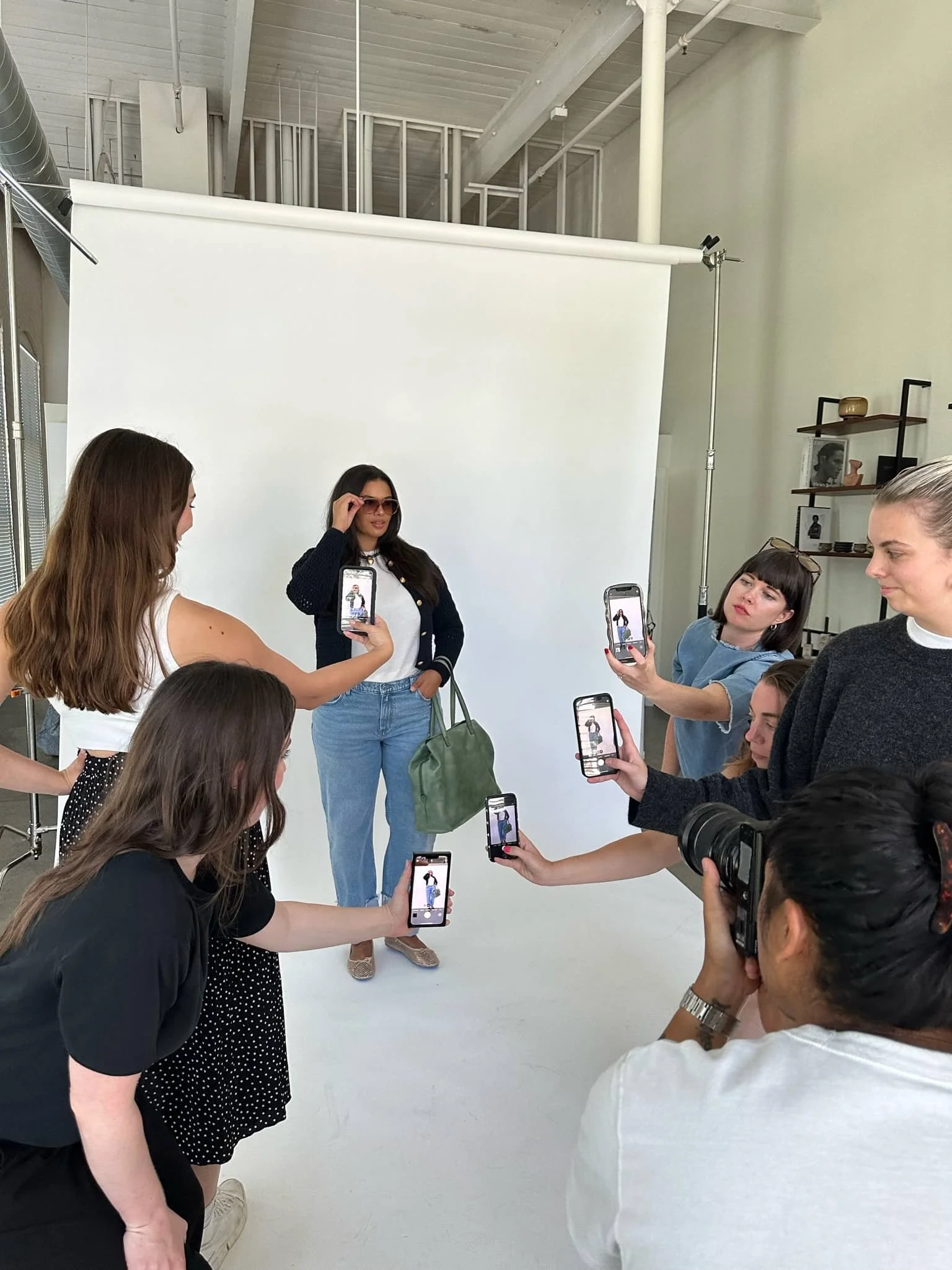
The biggest barrier to running both platforms well isn't budget. It's content volume. TikTok rewards posting frequency: 3–5 times per week for brands trying to build momentum is not unusual. Instagram requires a different kind of consistency: feed posts, Stories, and Reels running in parallel.
For most marketing teams, producing distinct content for both platforms from scratch isn't realistic. The smart approach is a content system that starts with one idea and builds it out across formats:
One concept → multiple formats. A product demo filmed for TikTok becomes a Reel on Instagram, a Story series on Instagram, a short clip in an email campaign, and a retargeting ad on Meta. The core content is created once. The distribution is platform-specific.
Repurpose with intention, not laziness. The TikTok version and the Instagram version of the same concept should feel native to each platform — different pacing, different text overlays, different hooks — even if the underlying footage is the same. The audience can tell when content was designed for somewhere else.
Let data lead the content calendar. The posts that earn the most saves, shares, and comments on TikTok tell you what to double down on everywhere else. Monthly trend monitoring applied directly to the content calendar means the brand isn't guessing — it's iterating on what the audience already proved it wants.
What a Full TikTok + Instagram Program Looks Like

For brands running a fully managed organic social media program, a typical monthly scope across TikTok and Instagram covers: 12 feed posts and 10 Stories per platform, fully produced — scripted, filmed, edited, captioned, and posted. TikTok content built for the platform from the start. Instagram content designed to convert. Stories used aggressively as a direct product link layer. Reels cross-posted and formatted for each platform's algorithm. Community engagement managed with personality across both channels. Monthly analytics reporting that connects content performance to business outcomes.
That's not a content calendar. That's a brand presence.
When paired with a paid social advertising program running Meta retargeting and lookalike campaigns, and an influencer marketing program feeding both channels with authentic creator content — the whole system compounds. Organic builds the audience. Paid converts them. Influencers extend reach to audiences that organic and paid can't reach alone.
FAQ: TikTok Marketing for Product Brands
Is TikTok actually worth it for product brands in 2026? Yes — with one caveat. TikTok is worth it for brands with demonstrable products and the creative bandwidth to post consistently. If you can't commit to 3+ posts per week and authentic, platform-native content, the results will be underwhelming. The brands winning on TikTok treat it as a primary channel, not an afterthought.
Do I need TikTok Shop to sell on TikTok? No — but it's worth setting up. TikTok Shop removes purchase friction and enables affiliate partnerships with creators. For product brands with a direct-to-consumer component, it's one of the highest-ROI features on the platform. For service businesses or brands without e-commerce infrastructure, organic TikTok still drives meaningful awareness and traffic without Shop.
Should I post the same content on TikTok and Instagram? The same concept? Yes. Identical content? No. TikTok and Instagram have different algorithm behaviors, different audience expectations, and different native formats. The same core idea should be reformatted for each platform rather than cross-posted identically. Remove TikTok watermarks before posting to Instagram Reels — the algorithm penalizes watermarked content.
Are Meta ads still worth it with all the iOS 14 tracking changes? Yes. Meta's ad platform has adapted significantly since iOS 14 — Advantage+ campaigns, first-party data integration, and improved in-platform conversion tracking have restored a lot of the performance that was lost. For product brands running retargeting and lookalike campaigns, Meta remains one of the most cost-efficient paid channels available.
How do Instagram Stories drive product sales? Through direct product links — swipe-up stickers that take viewers to a specific product page or checkout flow without leaving Instagram. Stories also support limited-time urgency (flash sales, 24-hour drops) that converts at a higher rate than static feed content. Brands using Stories as a dedicated conversion layer — not just a behind-the-scenes channel — see meaningful direct traffic from organic social.
How much should I spend on Meta ads for a product brand? There's no universal answer, but a useful starting point is allocating 20–30% of your total paid social budget to retargeting warm audiences — website visitors, video viewers, Instagram engagers — and the remainder to prospecting via lookalike audiences. Start with what you can sustain consistently and scale what's working. Inconsistent, stop-start spending is less efficient than a lower, consistent budget.
What type of TikTok content performs best for product brands? In-use demonstrations, founder POV content, before-and-after reveals, packing and unboxing videos, and honest product storytelling consistently outperform polished brand content on TikTok. The hook in the first two seconds is everything — if the opening frame doesn't earn the next three seconds, the algorithm moves on.
TL;DR
TikTok is the most powerful organic discovery channel available to product brands right now but discovery without conversion is just attention. The brands getting the most out of TikTok are pairing it with Instagram Stories for direct product links and conversion, using TikTok Shop to remove purchase friction entirely, and running Meta ads to retarget warm audiences and amplify what organic already proved works. Meta is currently underpriced and underused by brands that haven't revisited their paid strategy recently. The whole system — TikTok for reach, Instagram for relationship, Meta for conversion — compounds in a way that no single channel can on its own.
Cucamonga Media runs full-service TikTok and Instagram marketing programs for product and service brands ready to build a social presence that actually sells. Let's talk →
