
Why the Brands That Win Black Friday Start Planning in August
Black Friday is the most competitive marketing moment of the year. Every brand is in market at the same time, fighting for the same attention, using the same playbook. Discount. Urgency. Countdown. Repeat.
The brands that actually win it don't look like everyone else. And the reason they don't look like everyone else is that they stopped doing what everyone else does, which is treating Black Friday like a two week sprint that starts in November.

The brands worth studying started in August. Here's why that matters and what they did differently.
The Problem With a November Mindset
When Black Friday planning starts in November, you are already behind in ways that are very hard to recover from.
Your creative is rushed. The concepts that get developed under a four week deadline are almost never the concepts that break through. They're the ones that are safe enough to produce quickly and good enough to approve fast. Safe and good enough is not what wins the most crowded marketing moment of the year.
Your media buying is expensive. Ad costs in Q4 are significantly higher than the rest of the year because every brand with a budget is competing for the same inventory at the same time. Brands that lock in placements and build audiences earlier in the year pay less for more. Brands that show up in November pay the premium and get what's left.
Your creator partnerships are compromised. As we covered in a previous post, the best creators are already committed by October. The ones available in November are available because nobody else wanted them, or because they're willing to take on more than they can execute well. Neither scenario produces the content that moves a community.
Your email list is cold. If you haven't been building and warming your list consistently through the year, a Black Friday email campaign is shouting into a room full of people who barely remember signing up. The brands with warm, engaged lists built over months convert at a completely different rate than brands trying to activate a cold list with a discount code.
Every one of these problems has the same solution: start earlier.
What August Actually Gives You
August is not when you launch Black Friday campaigns. August is when you build the foundation that makes everything else work better when November comes.
August is when you define what winning actually means. Before any creative gets made or any budget gets allocated, the most valuable thing a brand can do is get clear on what Black Friday success actually looks like for them. Not just revenue. What's the margin target? Are you trying to acquire new customers or reward existing ones? Are you protecting brand equity or willing to discount aggressively? Is Black Friday a volume play or a community moment?
These questions sound obvious. They almost never get answered with enough specificity before the execution starts. And when they're not answered clearly up front, you get a campaign that tries to do everything and does none of it well.
August is when you build the audience you'll market to in November. The brands that convert best on Black Friday are not the ones with the biggest lists. They're the ones with the most engaged lists. An email subscriber who has been receiving genuinely useful, relevant content from your brand for six months is in a completely different mindset than someone who signed up for a discount and hasn't heard from you since.
August through October is when you earn the attention you'll spend in November. Content that adds value, email sequences that build relationship, social content that deepens community rather than just broadcasting offers. The work you do to warm your audience in the months before Black Friday is the work that determines whether your November emails get opened or ignored.
August is when you brief and lock in your creators. We've covered the Q4 creator rate spike in detail. The short version: the brands that brief their creators in August with enough lead time to develop genuinely great content get a completely different output than the brands that brief in October with a two week turnaround. Great creator content requires creative space. Creative space requires time. Time requires starting in August.
August is when you develop the creative concept that actually stands out. The best Black Friday campaigns are built around a single strong idea that runs consistently across every channel. Not a collection of assets. An idea. Something that gives your community a reason to pay attention to you specifically in a sea of identical discount offers.
That idea takes time to develop, pressure test, and refine. It takes iteration and feedback and sometimes scrapping the first version and starting again. None of that is possible in a four week window. It's very possible in a four month one.
The Specific Work That Happens in Each Month
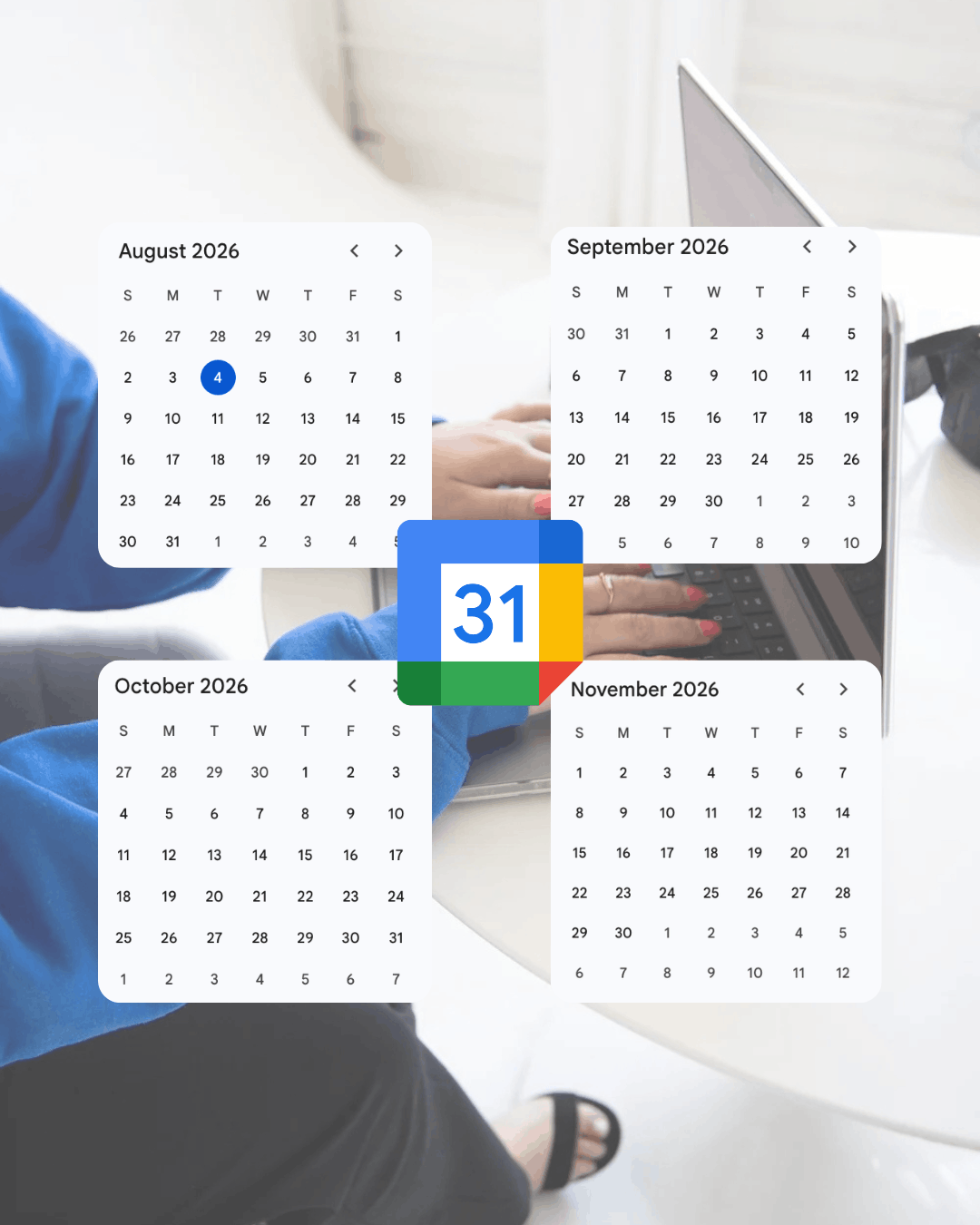
August: Strategy and foundation. Lock in the campaign goal and success metrics. Define the offer structure. Brief the creative concept. Start creator outreach and lock in Q4 partnerships. Audit the email list and segment for Black Friday targeting. Begin audience building content on social.
September: Creative development and community building. Develop the campaign creative across all channels. Brief and begin content creation with locked-in creators. Build and warm the email sequences that will run through October and into November. Begin seeding early awareness content with your community. Finalize media buying strategy and lock in placements where possible.
October: Testing and final preparation. Test email creative and subject lines with smaller segments. Review creator content and give feedback with enough lead time for revisions. Build and QA all landing pages and offer mechanics. Confirm all paid media is set up and ready. Begin early access or VIP preview strategy for your most engaged community members.
November: Execute with confidence. By the time November arrives, the brands that started in August are not scrambling. They're executing a plan that has been pressure tested, refined, and built with enough runway to actually be good. The creative is strong because it had time to become strong. The creators are ready because they had time to develop something genuine. The audience is warm because it has been tended for months.
That's a fundamentally different position than the brand that started planning three weeks ago.
The Community Angle That Most Brands Miss Entirely
Here's the Black Friday strategy that almost nobody is talking about and that the best brands are quietly building.
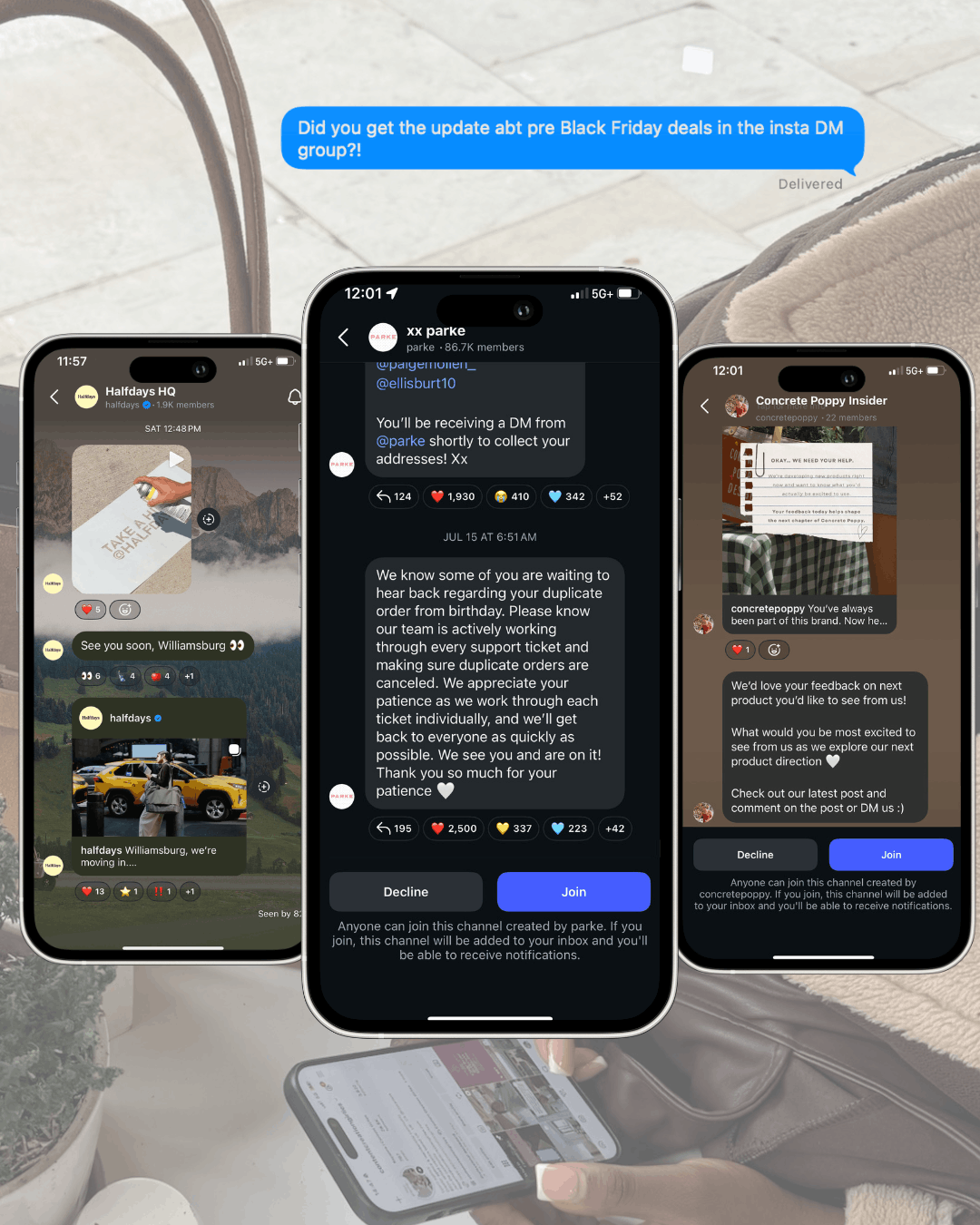
The brands that win Black Friday in the long run are not the ones that generate the highest single day revenue. They're the ones that use Black Friday as a community moment rather than a sales event. The ones that make their most engaged customers feel like insiders, not just recipients of the same email everyone else got.
That looks like early access for your community before the general sale opens. It looks like creator content that feels like a genuine recommendation from someone who cares, not a paid placement. It looks like an offer that rewards loyalty rather than just discounting for everyone. It looks like post-purchase content that turns a transaction into the beginning of a longer relationship.
The customers you acquire through genuine community during Black Friday are worth more over time than the customers you acquire through the deepest discount. They came because they trust you, not just because you were the cheapest option on the day. That trust doesn't disappear when the sale ends.
Building that kind of Black Friday requires starting in August. Not because the logistics demand it, though they do. But because the community you'll activate in November has to be built and tended before you ever ask it for anything.
The Question to Ask Right Now
If Black Friday 2027 is on your planning horizon, there is one question worth sitting with today.
When the sale ends and the numbers come in, what do you want to be true about the customers you acquired and the community you built? Not just how many units you moved. What kind of relationship did Black Friday create with the people who showed up for it?
The answer to that question is your strategy. And building toward it starts now.
We Help Brands Win Q4 Before Q4 Starts
At Cucamonga Media, we build the kind of Black Friday strategy that starts in August and pays off in November. Creator partnerships locked in early. Community built with intention. Creative developed with enough runway to actually be great. Email sequences warm enough to convert.
If Q4 2027 is on your radar, the planning window is open right now.
FAQ
Why does Black Friday planning need to start in August? Because the most important inputs to a successful Black Friday campaign, including warm audiences, locked-in creator partnerships, developed creative concepts, and favorable media rates, all require months of lead time. Brands that start in November are paying more for less and executing under pressure that almost always shows in the results.
How do ad costs differ between early Q4 planning versus last minute buying? Digital ad costs in Q4 are significantly higher than the rest of the year due to increased competition for inventory. Brands that lock in media placements and build audiences earlier pay substantially less for comparable reach. The exact premium varies by platform and category but it is consistently meaningful enough to change campaign economics.
What is the difference between a Black Friday sales event and a Black Friday community moment? A sales event treats Black Friday as a revenue sprint. A community moment uses Black Friday to deepen relationships with your most engaged audience, reward loyalty, and create the conditions for long term retention. Brands that treat it as a community moment tend to acquire higher quality customers who stay longer and spend more over time.
How far in advance should creators be briefed for Black Friday campaigns? Ideally by August or early September for a November activation. This gives creators enough runway to develop genuine, high quality content rather than rushed sponsored posts. It also secures partnerships before the Q4 rate spike and availability crunch that hits in October.
What should a Black Friday email strategy look like if you're starting early? Early email strategy should focus on warming and segmenting your list rather than promoting offers. Genuinely useful content, relationship building sequences, and community-oriented communication in the months before November puts your list in a completely different state of engagement by the time Black Friday emails go out. Warm lists convert at significantly higher rates than cold ones regardless of offer quality.
