
Your AI Output Is Only as Good as Your Brand Voice Document
We see this across every client who's added AI to their content workflow: the teams getting great output aren't the ones with the best prompts. They're the ones with the clearest brand guidelines.
That's it. That's the differentiator.
Most people don't realize that when you hand a content task to an AI tool, it's not starting from scratch. It's pattern-matching against everything it's ever been trained on. And if you haven't given it something specific to anchor to, it defaults to the average of everything it's seen.
Which means a lot of bland, interchangeable content that sounds like everyone else's. (And the last thing you want is your business sounding like everyone else.)
Your brand guidelines are the thing that breaks that pattern.
What AI Is Actually Doing When It Writes for You
When you prompt an AI tool (ChatGPT, Claude, whatever you're using) and ask it to "write a caption for our new product launch," it's making hundreds of micro decisions in real time.
What tone? What length? What words feel right? What's the emotional register?
Without guidance, it fills in those blanks with the most statistically average answer. Professional but not too professional. Friendly but not too friendly. Safe. Forgettable.
Now hand it a brand voice document. A real one, with specific adjectives, example phrases, things to avoid, and the emotional experience you want someone to walk away with. Watch what changes.
The output starts to sound like you.
The Difference Between a Brand Style Guide and a Brand Voice Document
Most companies have a style guide. Colors, fonts, logo usage, maybe some notes about tone. That's table stakes for design consistency but it's not what AI tools need to produce great written content.
A brand voice document goes deeper. It answers questions like:
What does this brand believe? Not just what it sells. What it stands for, what it pushes back against, what it would never say.
What's the emotional experience? When someone reads this brand's content, how should they feel? Relieved? Inspired? Challenged? In on a joke?
What words do we use and what words do we refuse? The specific vocabulary that makes the brand sound like itself, and the clichés or phrases it actively avoids.
What's the personality in shorthand? "Like a brilliant friend who happens to be an expert" is more useful to an AI than "professional and approachable."
A style guide tells you what things look like. A brand voice document tells you what things sound like, feel like, and stand for. AI tools need the latter to do anything interesting.
Why This Is Now a Strategy Decision, Not a Brand Decision
A few years ago, brand voice documentation was mostly a brand team concern. Useful for keeping copywriters consistent, helpful during agency onboarding, occasionally referenced when someone went rogue on the company LinkedIn.
That's changed.
Now your brand voice document is being used (or not used) every single time someone on your team opens an AI tool to write anything. A product description. A customer email. A social caption. A sales deck. The scope has multiplied and most companies haven't updated their documentation to match.
The teams who have? They're producing content faster, with more consistency, and with less back and forth review. Not because AI is magic, but because they gave it the right inputs.
The teams who haven't? They're spending time editing AI output back toward something that sounds human. Because generic is the default, and getting out of generic without clear direction is a lot of prompt engineering that still doesn't fully work.
What a Strong Brand Voice Document Actually Looks Like
It doesn't have to be a 40 page PDF. The most useful ones we've seen are focused, specific, and written like they're actually going to be used. Not archived.
The essentials:
A personality description in human terms. Skip the adjective list. Describe the brand like you'd describe a person. "Think: the strategic friend at the table who's seen it all, tells it like it is, and still somehow makes it feel manageable." That's something AI can work with.
The emotional goal. After reading this brand's content, the audience should feel ___. Fill in that blank with something specific. "Informed" is not specific. "Like they just got a shortcut they weren't supposed to have" is specific.
Voice examples with context. Not just "be conversational." Show what conversational looks like for this brand versus a competitor. Side by side examples are incredibly useful.
Words we use and words we don't. A short list of phrases the brand owns and phrases it actively avoids. This is especially useful for AI because it functions as a constraint layer.
Audience context. Who is this person? What do they already know? What do they not need explained? What would make them roll their eyes? AI tools adjust register and complexity based on audience. Give them something to go on.
The Practical Move Most Teams Are Missing: Skills and Projects in Claude
Here's where it gets tactical. Having a great brand voice document is step one. Making sure your team actually uses it every single time they open an AI tool is step two. And that's where most organizations fall apart.
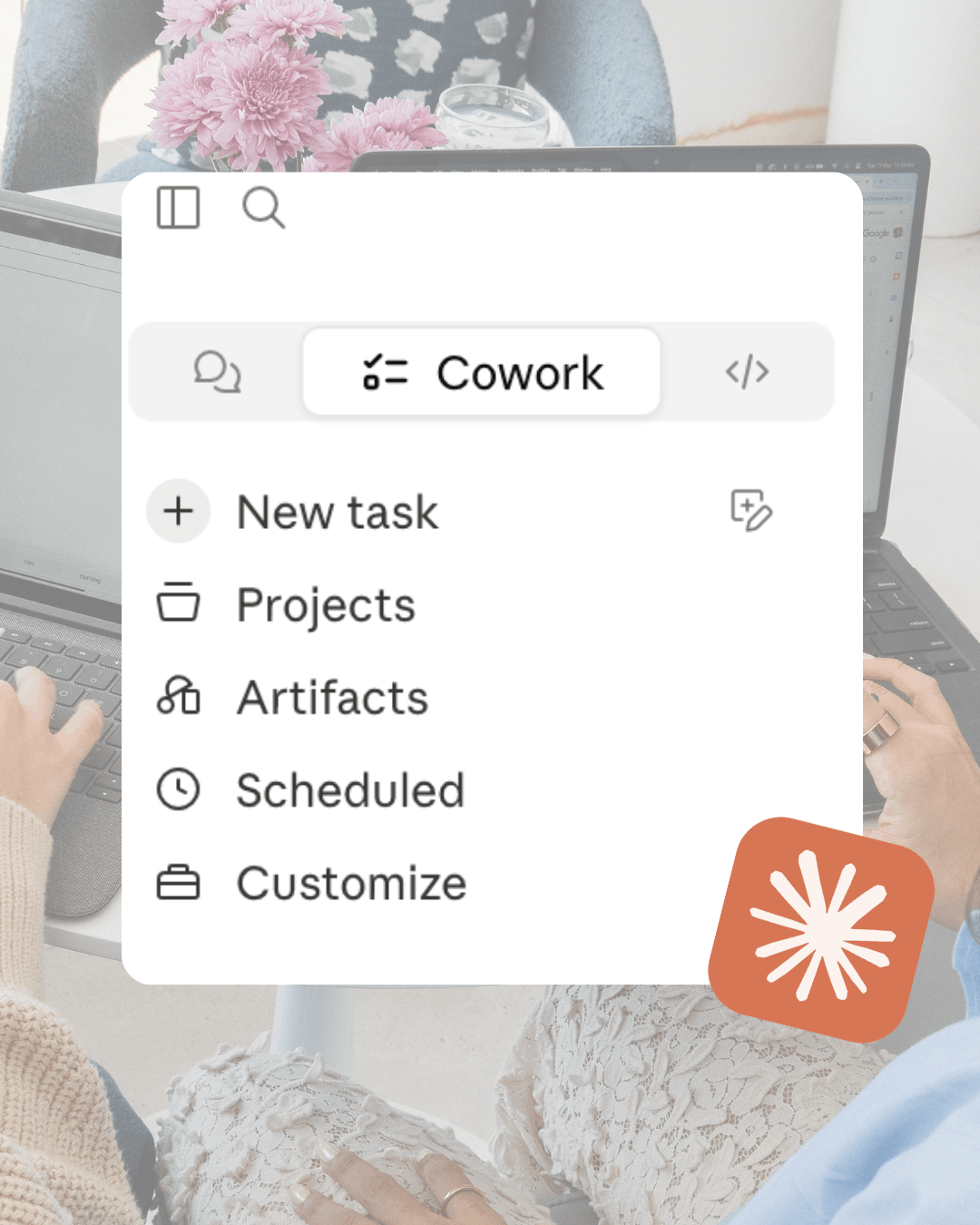
Claude has a feature called Projects that solves this problem directly. A Project is a dedicated workspace where you can upload your brand voice document, audience personas, tone guidelines, and any other context that defines how your brand communicates. Every conversation your team starts inside that Project begins with all of that context already loaded. Your AI knows who you are before anyone types a single word.
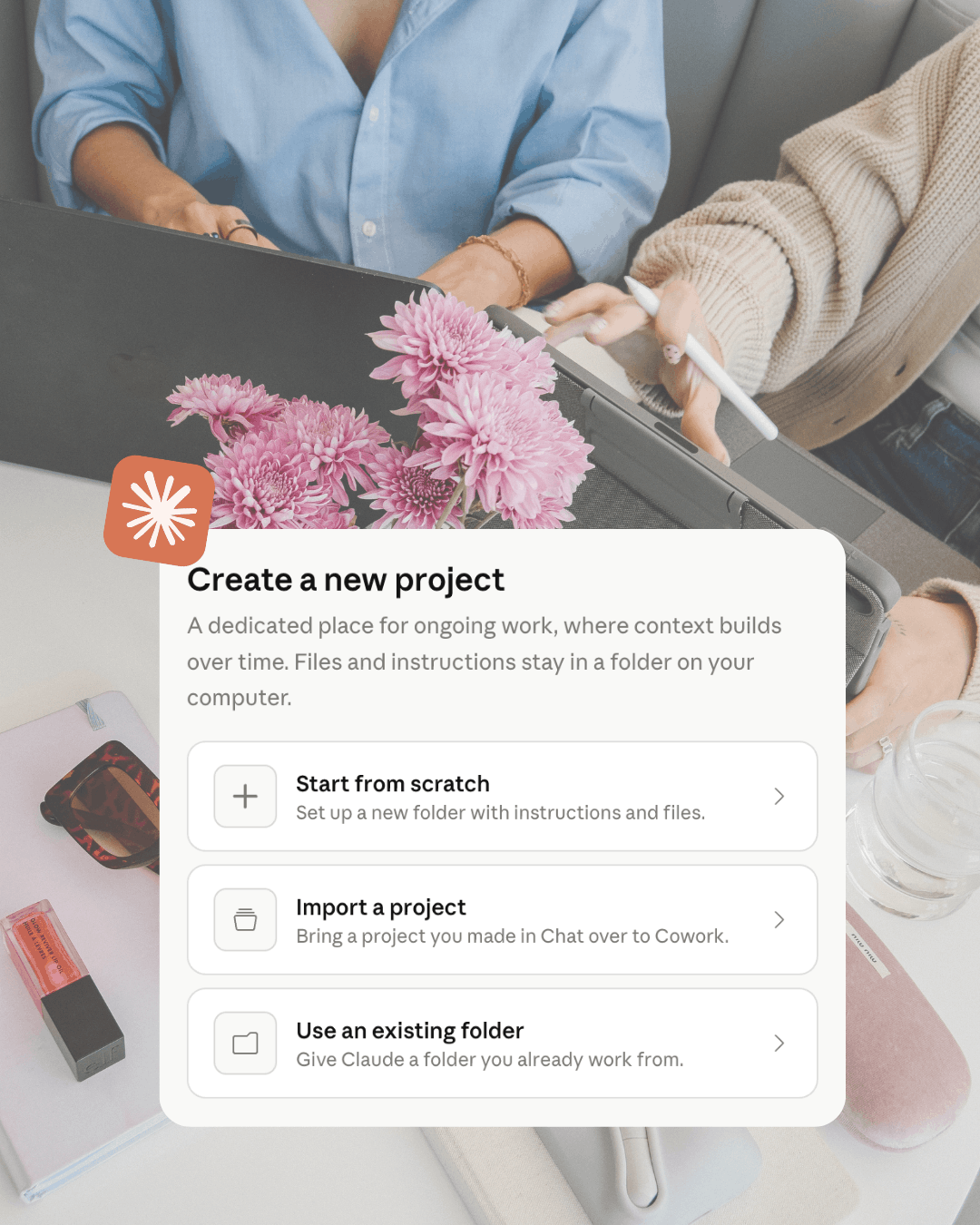
Think about what that means in practice. Instead of your social media manager starting from scratch every time and hoping they remember to paste in the brand guidelines, they open the Project and the AI already knows your voice, your audience, your goals, and your content rules. The baseline is set. The output starts closer to right.
You can also use Claude's custom instructions (sometimes called Skills or System Prompts depending on how your team is set up) to go even deeper. Define your ideal customer. Describe what they care about, what they're skeptical of, what language makes them lean in versus tune out. Tell the AI what this brand would never say and why. The more specific and human the input, the more aligned the output.
This isn't about handing AI the wheel. It's about setting up your team so that AI is a genuinely useful support tool instead of something that creates more work than it saves. The goal is to get as close to right as possible on the first pass so your team spends their time refining and deciding, not rewriting from scratch.
A well-configured Project in Claude is essentially a trained creative partner that never forgets your brand guidelines, never goes off voice, and never needs to be reminded who your audience is. That's not a small thing for a lean marketing team.
Using AI to Brainstorm Variations That Actually Feel Like You
Here's one of the most underused applications of a well-configured AI setup: brainstorming at scale without losing your voice.
Most teams use AI to generate one version of something and then edit it. That's fine but it's not where the real leverage is. The real leverage is using AI to generate ten variations of a caption, a subject line, or an opening paragraph and then choosing the one that feels most alive. Not because AI made the decision, but because having options fast lets your team make better creative calls.
The keyword there is "variations that feel like you." Without solid brand context loaded in, AI brainstorms are all over the place. You get five options that sound like five different brands and none of them sound like yours. It's frustrating and it erodes trust in the tool.
But when your voice, audience, and content rules are baked in? You get ten caption options that all sound unmistakably like your brand. Different angles, different emotional hooks, different calls to action. All in your voice. Your team picks the best one, maybe tweaks a line, and moves on. That's the workflow.
This works for more than captions. Blog intro variations. Email subject line testing. Different framings of the same campaign message for different audience segments. Headline options for a landing page. The applications are everywhere once your brand context is locked in as the foundation.
The teams doing this well aren't using AI as a replacement for creative thinking. They're using it as a creative sparring partner that knows the rules of the game. One that can generate volume quickly so the humans can do what humans do best: choose, refine, and decide what actually lands.
The Prompt Isn't the Strategy. The Brand Voice Is.
There's a lot of energy right now around prompt engineering. The idea that if you just write the right prompt, you'll get great output. And prompts do matter.
But a well-crafted prompt on top of a weak brand foundation still produces weak content. You're optimizing the wrong layer.
The brands that are going to win the AI content era aren't the ones with the cleverest prompts. They're the ones who did the brand work first. Who know exactly who they are, what they sound like, and what they'd never say. And who made that documentation accessible to every person and every tool on their team.
That's a strategy decision. And it starts well before anyone opens a chat interface.
Where to Start
If your brand voice documentation hasn't been updated since AI became part of your workflow, it's worth revisiting with that lens specifically. Not a full rebrand. Just an audit of whether what you have is actually useful as an input layer for the tools your team is using every day.
A few questions to pressure test it:
If you pasted your brand voice document into an AI tool and asked it to write a piece of content, would the output sound like you?
Does it describe personality in human terms, or just adjectives?
Does it give examples of what not to write, not just what to aim for?
Is it set up inside a shared Project or workspace so your whole team works from the same foundation, or is it living in a Google Drive folder no one opens?
If the answer to any of those is "no" or "I'm not sure," that's where to start.
Ready to Build the Foundation That Makes AI Actually Work for Your Team?
This is exactly what we do at Cucamonga Media.
We help brands build the brand voice documents, audience personas, and content guidelines that make every AI tool your team touches smarter, faster, and more on brand from the start. We set up your Claude Projects and custom instructions so your team isn't starting from scratch every time. And we help you build a brainstorming and content workflow that actually feels like you, not like everyone else.
If your team is spending more time fixing AI output than using it, the foundation isn't there yet. We can build it with you.
[Let's talk about what that looks like for your brand.]

FAQ
Do I need to update my brand guidelines to use AI tools effectively? Not necessarily update, but audit. If your current brand documentation was built before AI was part of your content workflow, it may not be specific enough to produce strong outputs. The goal is documentation that's useful as an input layer, not just a reference document.
What is a Claude Project and how does it help with brand consistency? A Project in Claude is a dedicated workspace where you can load your brand voice document, audience personas, tone guidelines, and content rules once. Every conversation your team starts inside that Project begins with all of that context already active. It means your whole team is working from the same brand foundation every time, without anyone having to remember to paste guidelines into a prompt.
What's the difference between a brand style guide and a brand voice document? A style guide covers visual identity: colors, fonts, logo usage. A brand voice document covers written identity: tone, personality, vocabulary, emotional goals. Both matter, but AI tools primarily need the latter to produce on-brand written content.
Can AI really match a brand's voice if it has good guidelines? Significantly better than without them, yes. AI tools pattern-match. The more specific and human your brand voice documentation is, the more it has to anchor to. You'll still edit, but you'll edit a lot less.
How do we use AI to brainstorm content variations without losing our voice? Load your brand context into a shared Project or custom instruction set first. Then use AI to generate multiple variations of the same piece of content rather than one version to edit. The goal is volume and range so your team can choose the strongest option. When the brand foundation is solid, the variations all stay on voice and the creative decision stays with your team.
How long does a brand voice document need to be? Focused beats comprehensive. A tight two to three page document that's actually specific is more useful than a 20 page guide that's vague. The test: could someone who's never worked with your brand use it to write something that sounds like you?
Is this only relevant for large marketing teams? No. Arguably it's more relevant for lean teams, where consistency is harder to maintain and AI tools are doing more of the work. The smaller your team, the more your brand voice documentation has to carry.
